Hawaii Chapter of the American Academy of Pediatrics (AAP)
As parents, we are surrounded by information. A quick internet search can generate thousands of answers to a single question, and social media often offers advice from well-meaning friends, influencers, and even complete strangers. While having access to information has many advantages, it can also leave families feeling overwhelmed and uncertain about which sources they can truly trust.
One relationship, however, continues to stand out as one of the most valuable resources for raising healthy children: the long-term relationship between a family and their pediatrician.
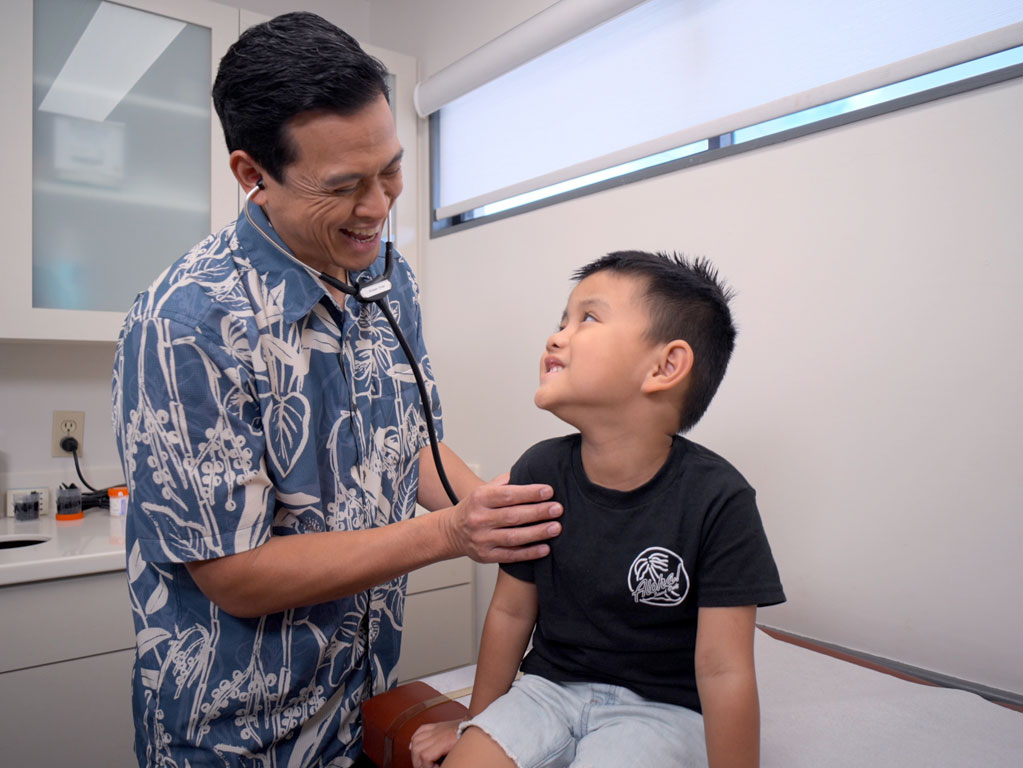
At the Hawaii Chapter of the American Academy of Pediatrics (AAP), we believe that every child deserves not only excellent medical care, but also a trusted healthcare partner who knows them over time. Building strong relationships between families and pediatricians is one of the most important investments we can make in the health and well-being of Hawaii’s children.
What the Research Shows
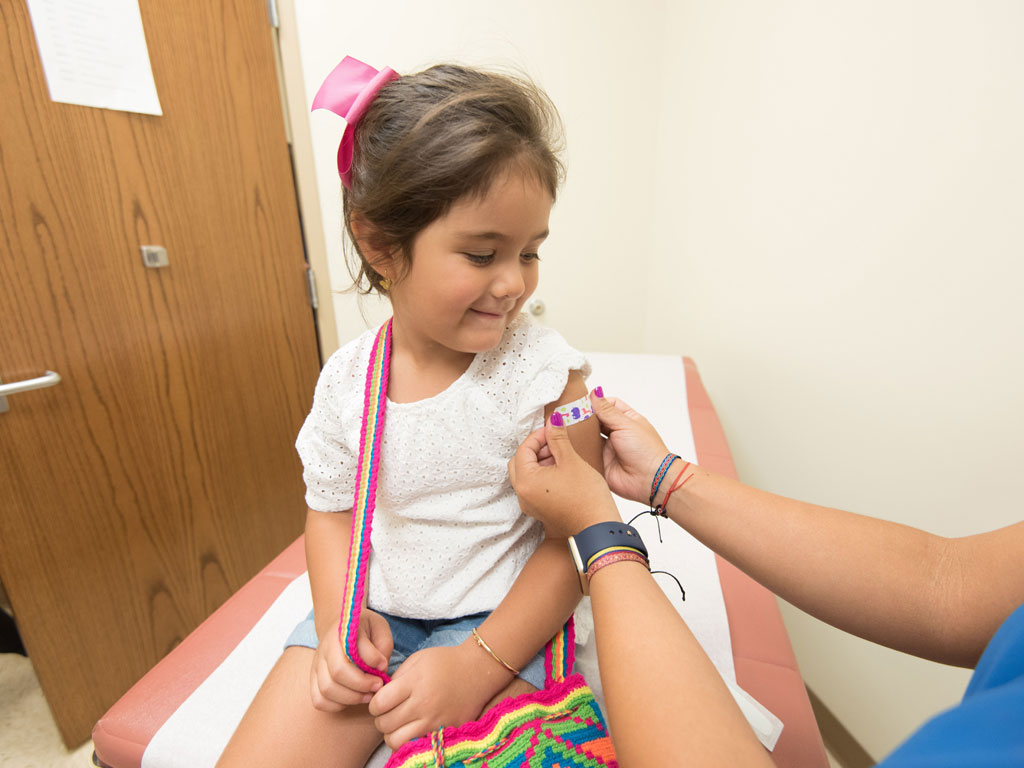
Research consistently demonstrates that children benefit when they receive continuous care from the same pediatrician or pediatric practice. Studies have found that families with an ongoing relationship with their pediatrician are more likely to keep up with well-child visits, recommended immunizations, and developmental screenings. Research also shows that parents consistently rank their child’s pediatrician among their most trusted sources of health information, making conversations with a trusted physician especially valuable when navigating important decisions about a child’s health.

More Than Sick Visits
Many people think of a pediatrician as the doctor you visit when your child has a fever or ear infection. In reality, pediatricians do much more than diagnose and treat illness.
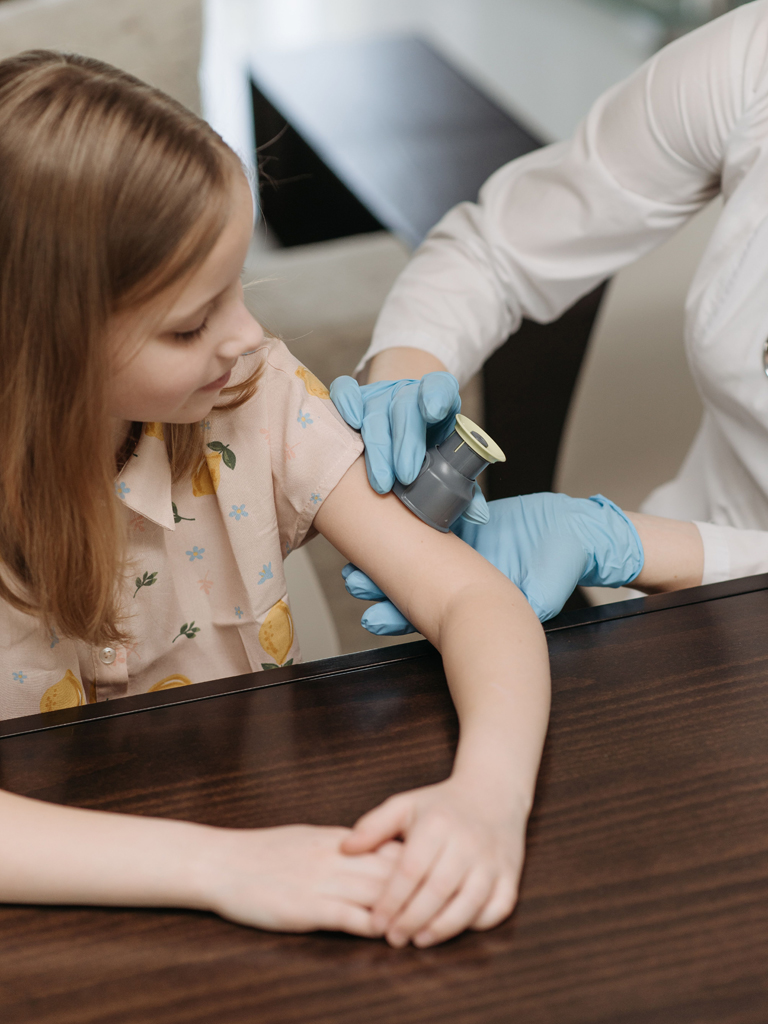
Pediatricians follow children from birth through adolescence, watching them grow physically, emotionally, and developmentally. They celebrate milestones, identify concerns early, guide parents through each stage of childhood, and help families make informed decisions about everything from nutrition and sleep to mental health, safety, and adolescent development.
Over time, this continuity of care allows pediatricians to understand each child’s unique medical history, family circumstances, strengths, and challenges. That perspective simply cannot be gained during isolated urgent care or emergency department visits.
Trust Is Built Over Time
Trust is one of the most important parts of any healthcare relationship, and research consistently shows that families place a high level of trust in their child’s pediatrician.
Studies have found that pediatricians remain among the most trusted sources of health information for parents, even in today’s digital age. Parents are significantly more likely to accept recommendations about vaccines, developmental concerns, nutrition, and preventive care when those conversations come from a pediatrician they know and trust.
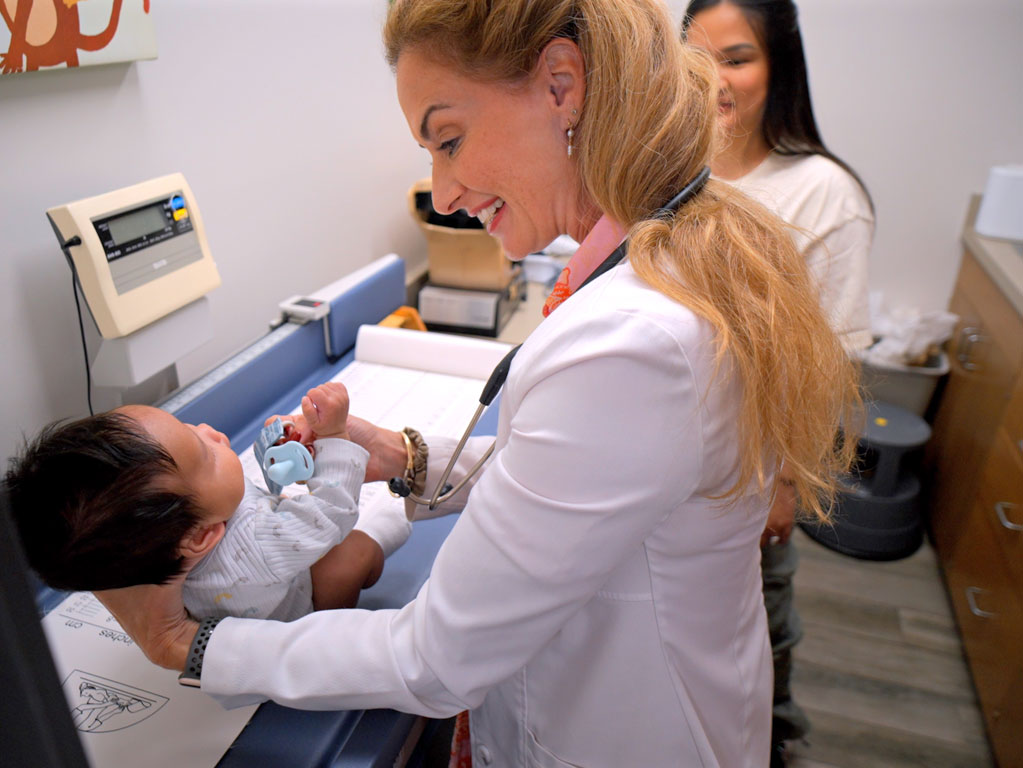
That trust doesn’t develop overnight. It grows through years of conversations, well-child visits, phone calls, reassurance during difficult moments, and shared decision-making. Every visit adds another layer to a relationship built on listening, respect, and understanding.
When parents know they have someone they can turn to with questions—whether about a newborn’s feeding, a teenager’s anxiety, or the latest health topic circulating online—they are less likely to rely solely on information that may be inaccurate or misleading.

Better Relationships Lead to Better Outcomes
Research also shows that continuity with a primary care pediatrician is associated with better health outcomes for children.
Children who receive ongoing care from the same pediatric practice are more likely to stay up to date with preventive visits and immunizations, receive recommended developmental screenings, and have chronic medical conditions managed more effectively. Continuity of care has also been associated with fewer emergency department visits, fewer unnecessary hospitalizations, and improved coordination when specialty care is needed.

Navigating Health Information Together
Parents today face an unprecedented amount of health information online. Some of it is excellent. Some of it is outdated. Some of it is simply incorrect.
Rather than expecting families to sort through it alone, pediatricians can help interpret new information within the context of each individual child.
Whether families have questions about nutrition, vaccines, developmental milestones, sports participation, mental health, or emerging health concerns, pediatricians are trained to evaluate the latest scientific evidence and translate it into practical guidance for everyday life.
Strengthening Connections Across Hawaii
The Hawaii Chapter of the American Academy of Pediatrics is committed to strengthening these trusted relationships throughout our islands.
Pediatricians in Hawaii care for children in diverse communities across the islands, recognizing that every family brings unique experiences, cultures, languages, and traditions. We believe that trust grows through respectful communication, compassion, and consistent partnership.
When families know where to turn with questions, children benefit.
In a world filled with information, having someone you know, trust, and can rely on may be one of the most valuable resources a family can have.
The Hawaiʻi Chapter of the American Academy of Pediatrics is a dedicated network of over 200 pediatricians, specialists, and physicians in training across the islands. We are committed to attaining optimal physical, mental, and social well-being for Hawaiʻi’s infants, children, adolescents, and young adults. Through legislative advocacy, continuing medical education, and community partnerships, we support pediatricians and empower families to raise healthy children.