by Laura Xiaoqian Guo, PhD, CCC-SLP, Assistant Professor in Communication Sciences & Disorders, John A. Burns School of Medicine, University of Hawaii at Manoa
and
Pauline Mashima, PhD, CCC-SLP, Associate Professor in Communication Sciences & Disorders, John A. Burns School of Medicine, University of Hawaii at Manoa
Communication Across the Lifespan
From a baby’s first coo to a young adult’s first job interview, communication is the foundation of connecting, learning, and growing. Early speech, language, and hearing development lay the groundwork for school readiness, social confidence, and lifelong success.
Supporting Parents Through Knowledge and Resources
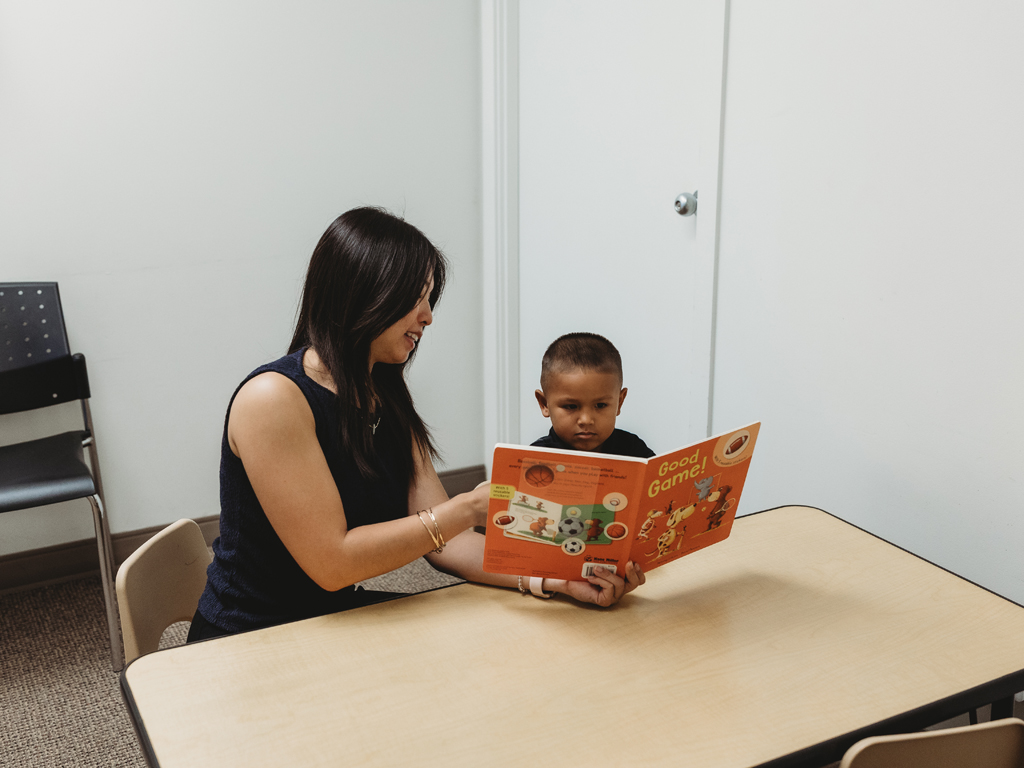
Early speech, language, and hearing development lay the groundwork for school readiness, social confidence, and lifelong success. During the first years of life, the brain is rapidly developing, making early experiences with language and sound especially important. When children are supported during these critical periods, they are better equipped to develop strong literacy skills, emotional regulation, and academic achievement later in life.
Parents play an important role in monitoring their child’s speech, language, hearing, and social development. Trusted resources such as the American Speech – Language – Hearing Association (ASHA) and the Centers for Disease Control and Prevention (CDC) publish developmental checklists and social communication growth charts that can help you track your child’s progress. Early identification of potential challenges can make a significant difference in your child’s communication journey.
Parents as a Child’s First Teachers
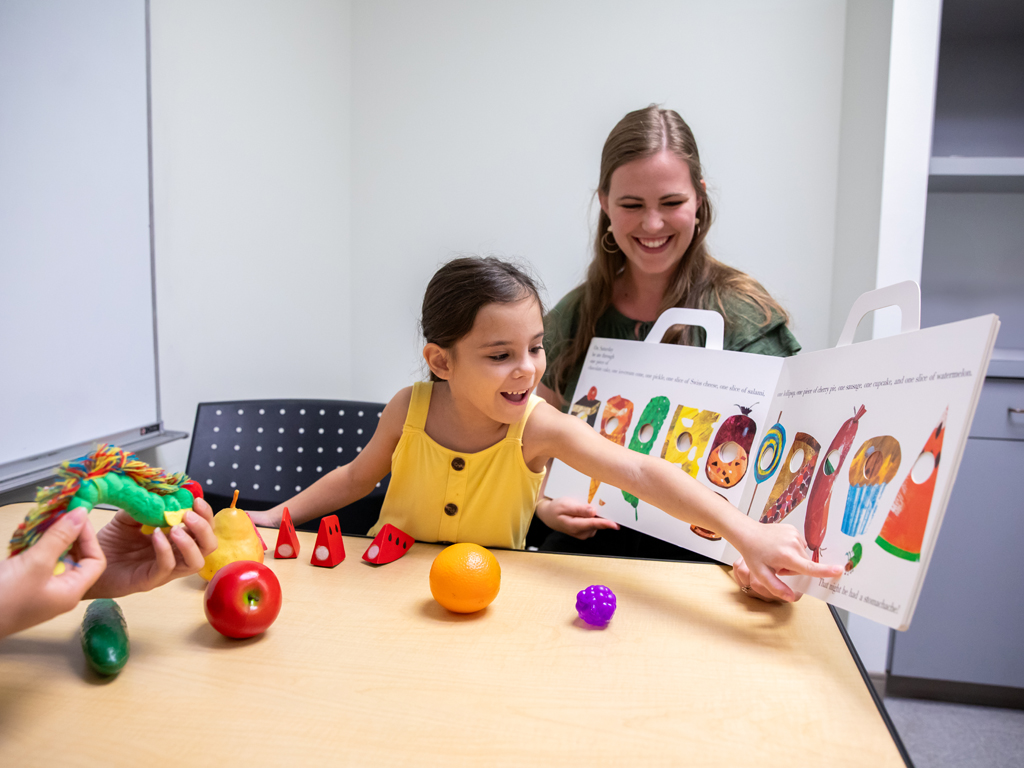
Parents are also a child’s first and most important teachers. At home, families can create a rich language environment through everyday routines, reading, and play. Simple, consistent interactions such as talking during meals, naming objects while grocery shopping, or describing actions during bath time, help children learn new words and sentence structures naturally. Engaging toddlers and preschoolers in conversation by asking open-ended questions and responding thoughtfully to their attempts to communicate encourages confidence and curiosity.
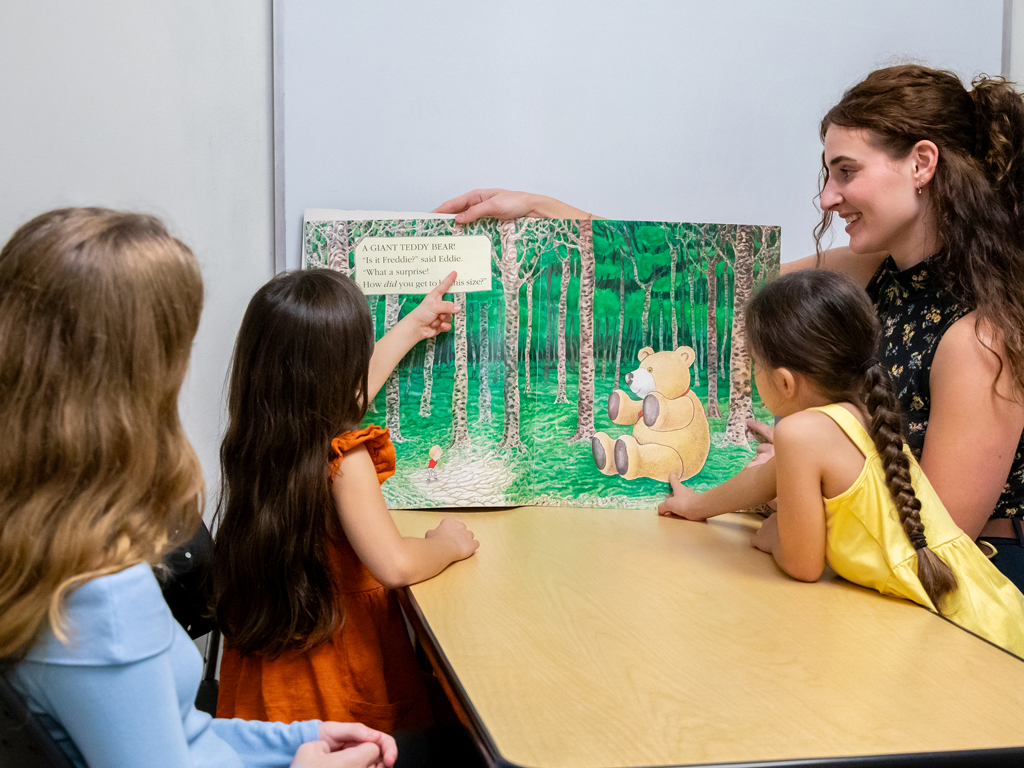
Reading picture books together as part of a daily routine builds vocabulary, listening comprehension, and early literacy skills. Sharing books also strengthens emotional bonds and helps children associate learning with warmth and connection. Play-based interactions, including pretend play and cooperative games, foster imagination and support the development of more complex language and social skills. For children with emerging language, modeling clear and grammatically correct speech, encouraging turn-taking, and following the child’s lead during play create responsive and enjoyable communication experiences. Everyday moments, when filled with talking, reading, and connecting, nurture strong language foundations that last a lifetime.
At the University of Hawaii at Manoa (UHM), the Department of Communication Sciences and Disorders (CSD) is dedicated to helping individuals of all ages connect through clearer speech, stronger language, and healthy hearing. CSD’s aim is to support Hawaii’s diverse families and communities by pursuing excellence in education, research, and clinical service.
Commitment to Communication Health at UHM
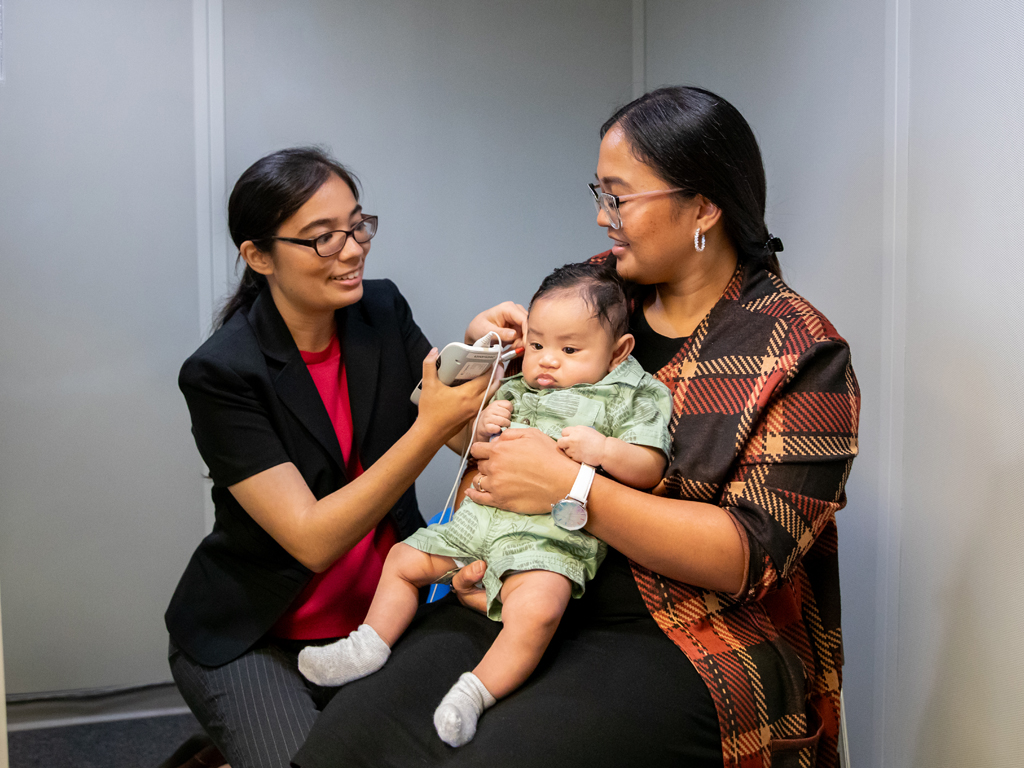
Our Master of Science program in Communication Sciences and Disorders at UHM’s John A. Burns School of Medicine is the only accredited program in our state that prepares future speech-language pathologists to serve across Hawaii and beyond. Our faculty’s expertise spans a range from child speech and language development, multilingual communication, augmentative and alternative communication (AAC), autism, adult neurogenic disorders, voice disorders, swallowing disorders, dementia, to hearing evaluation and aural rehabilitation.
At the heart of our department is the University Health Partners of Hawaii Speech and Hearing Clinic, a community resource providing comprehensive care for children, adults, and families. The clinic offers individualized assessment and therapy services in areas such as:
- Pediatric speech and language therapy
- Adult cognitive rehabilitation and speech and language therapy
- Hearing evaluations, hearing aid dispensing, and rehabilitation
One of our offerings is a pre-literacy program for local keiki, designed specifically for preschool-aged children with developmental language delays. This program supports school readiness and prepares children for successful reading and communication skills. Hawaii’s communities reflect many languages, cultures, and communication traditions, and our curriculum prepares students to provide respectful, evidence-based services that honor each individual’s background and experiences.
Restoring Communication in Adulthood
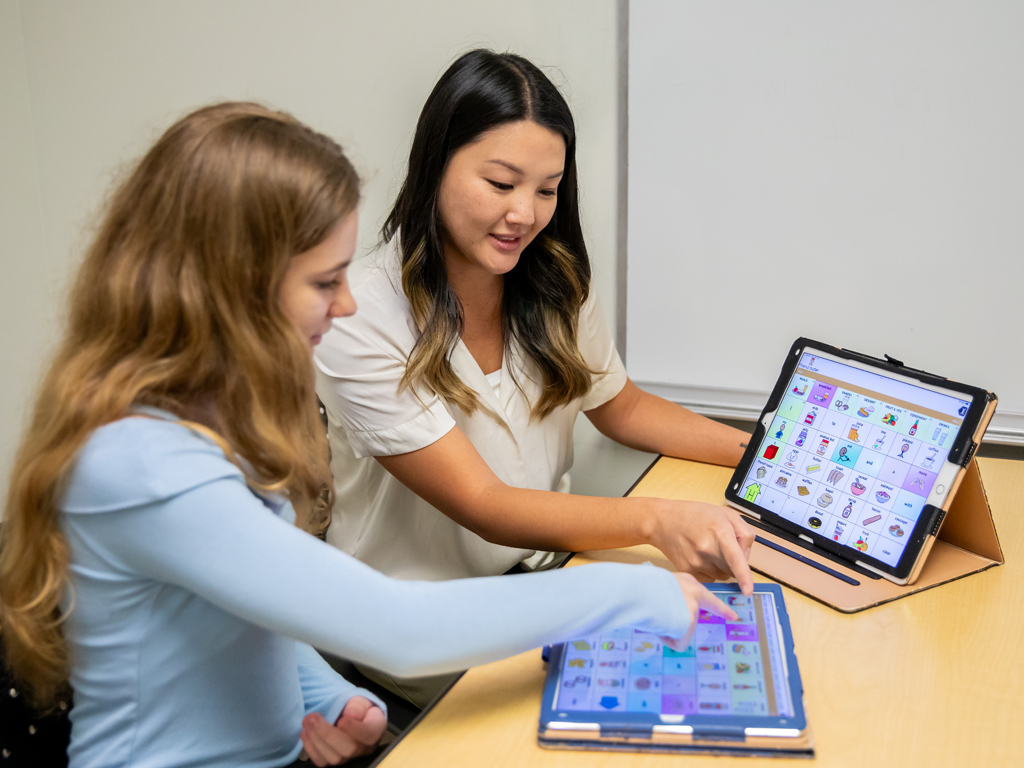
In addition to pediatric services, our clinic provides speech therapy to adults recovering from neurological conditions such as stroke, traumatic brain injury, and Parkinson’s disease. These services help individuals improve their speech clarity, memory, attention, problem solving, and everyday communication skills. Our approach is personalized to each individual’s specific needs, empowering them to maximize their independence and quality of life.
Building a Healthier Hawaii Through Communication
Our goal is to build a healthier Hawaii by training future clinicians and delivering compassionate, personalized, evidence-based care. Every conversation, sound, and connection we help nurture strengthens the communities we serve. We look forward to supporting you and your loved ones: helping every voice in Hawaii be heard, understood, and celebrated!