by Mikiʻoi Tamangaro and Sade Thomas
Did you know that worldwide, there are over 7,000 languages spoken? In Hawaiʻi alone, more than 130 languages can be heard across our islands. English and ʻŌlelo Hawaiʻi are our two official state languages — a distinction recognized in 1978 — and nearly 25% of Hawaiʻi residents speak a language other than English at home.
Walk down a neighborhood street, and you may hear it: aunties chatting in Ilocano, uncles speaking Japanese, cousins mixing Pidgin and English, tourists navigating in their native tongue, and keiki babbling their first words.
Hawaiʻi truly is the melting pot of the Pacific. Our plantation history brought families from China, Japan, Portugal, Korea, the Philippines, Puerto Rico, and beyond. Generations later, our islands continue to hum with cultural richness. For many families, especially new parents, the question becomes: How do we nurture cultural richness from the very beginning?
More than Words: Cultural & Emotional Connection
Language carries identity, and for families in Hawaiʻi, weaving ʻōlelo Hawaiʻi into daily life can deepen a child’s connection to place, kūpuna (ancestors), and community. Even simple words — aloha, mahalo, ʻohana, honu, ʻulu — could plant the seed within our children to see beyond themselves and feel connected to the place we call home.
Bilingual children often show greater confidence navigating multicultural environments. They develop empathy more easily, understanding that there are many ways to say something — and many ways to see the world. In a place as diverse as Hawaiʻi, that really matters.
Creating with Purpose
A couple of years ago, two high school friends – both from Kauaʻi, both moms raising young children – found ourselves searching for locally designed, culturally grounded products for infants and toddlers.
We wanted something that reflected authentic imagery of Hawaiʻi. Native plants, native animals, imagery, and words our children would grow up seeing and hearing in their everyday lives. When we couldn’t find it, we decided to create it.
Our company, Hāpuʻu Designs, was born and named after the native Hawaiian tree fern, Cibotium glaucum. Poetically, hāpuʻu also means “a child” or “baby” in ʻōlelo Hawaiʻi. From the beginning, our mission has been simple: create engaging learning products inspired by Hawaiʻi’s unique island culture and storied history.
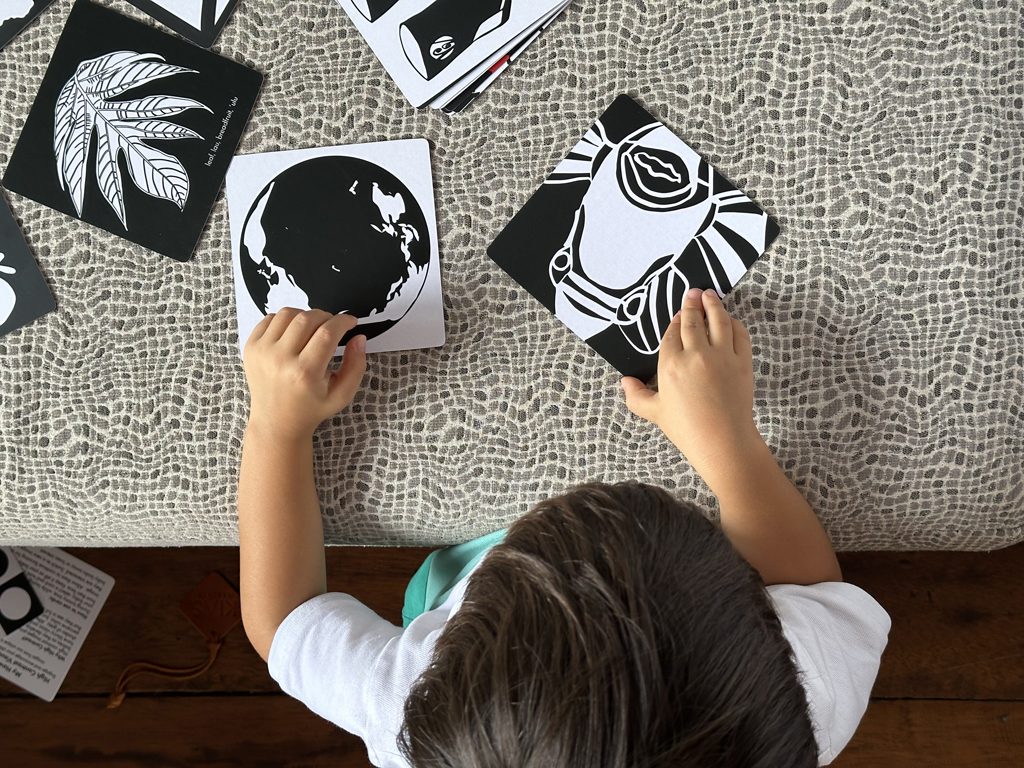
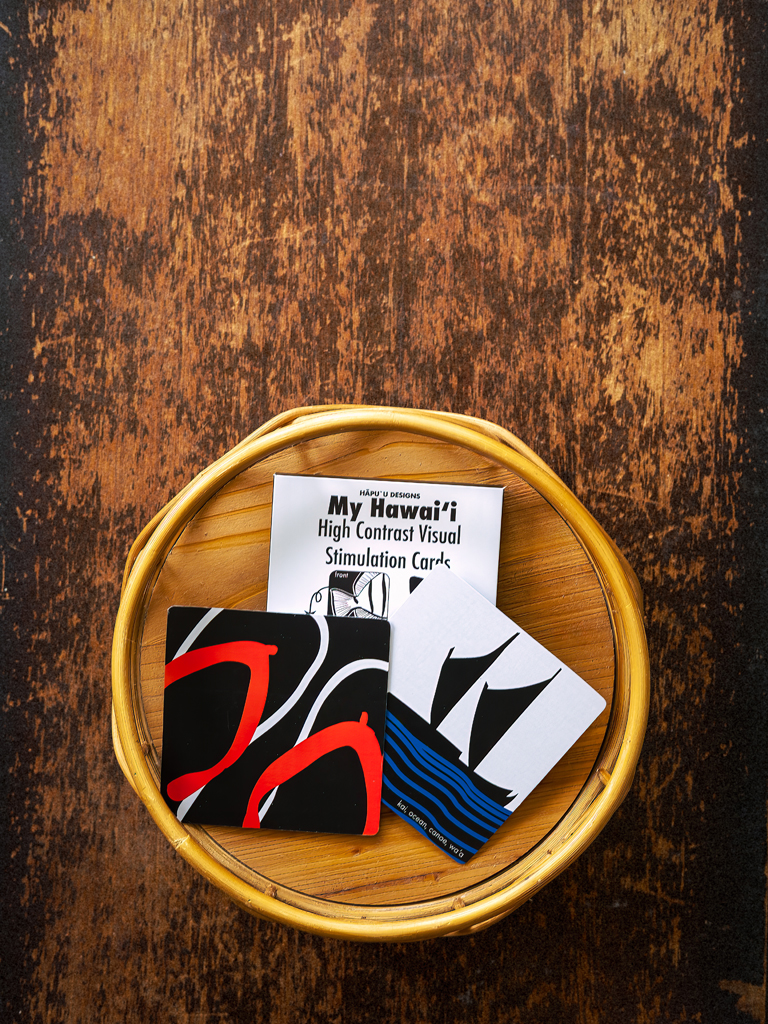
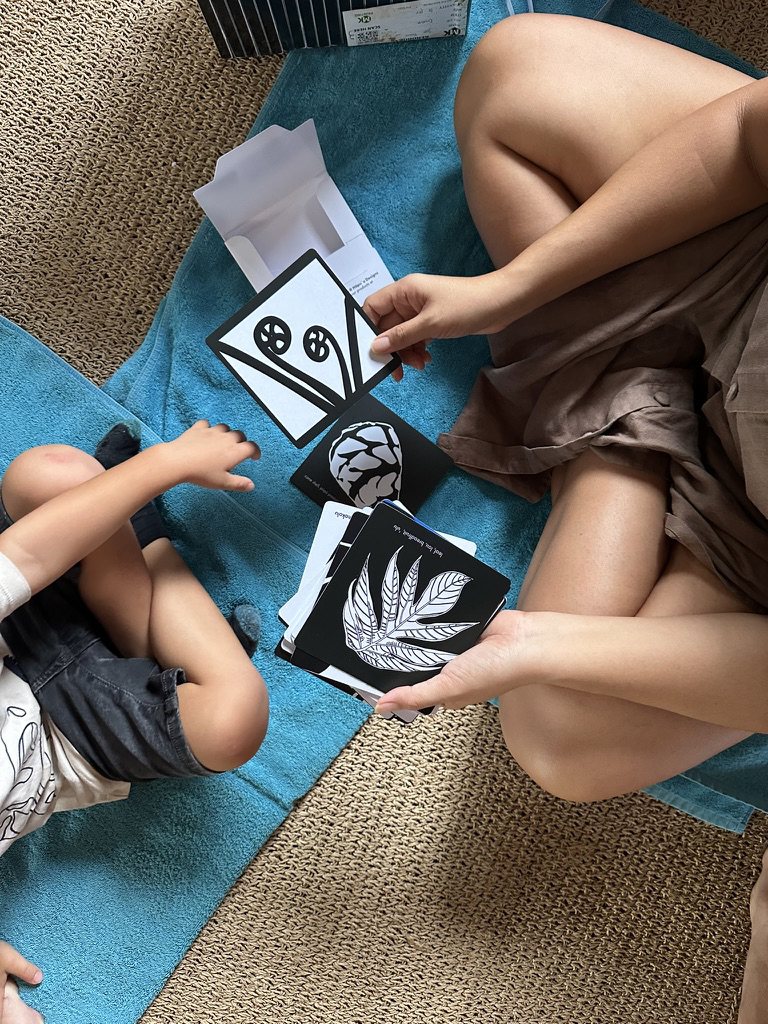
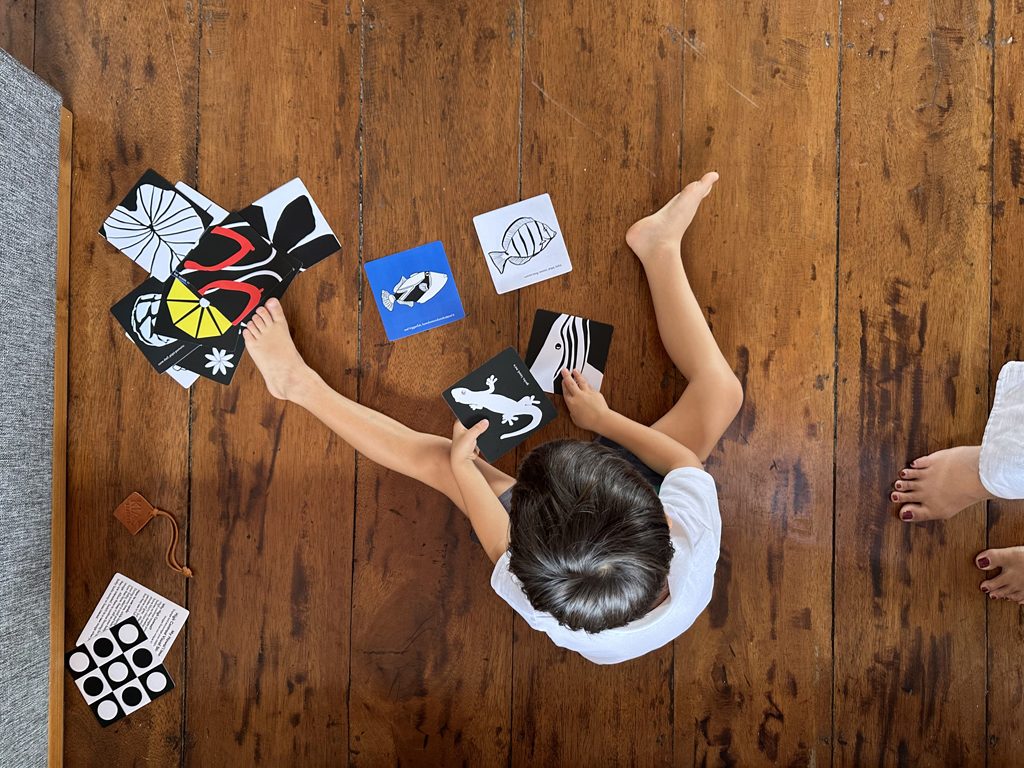
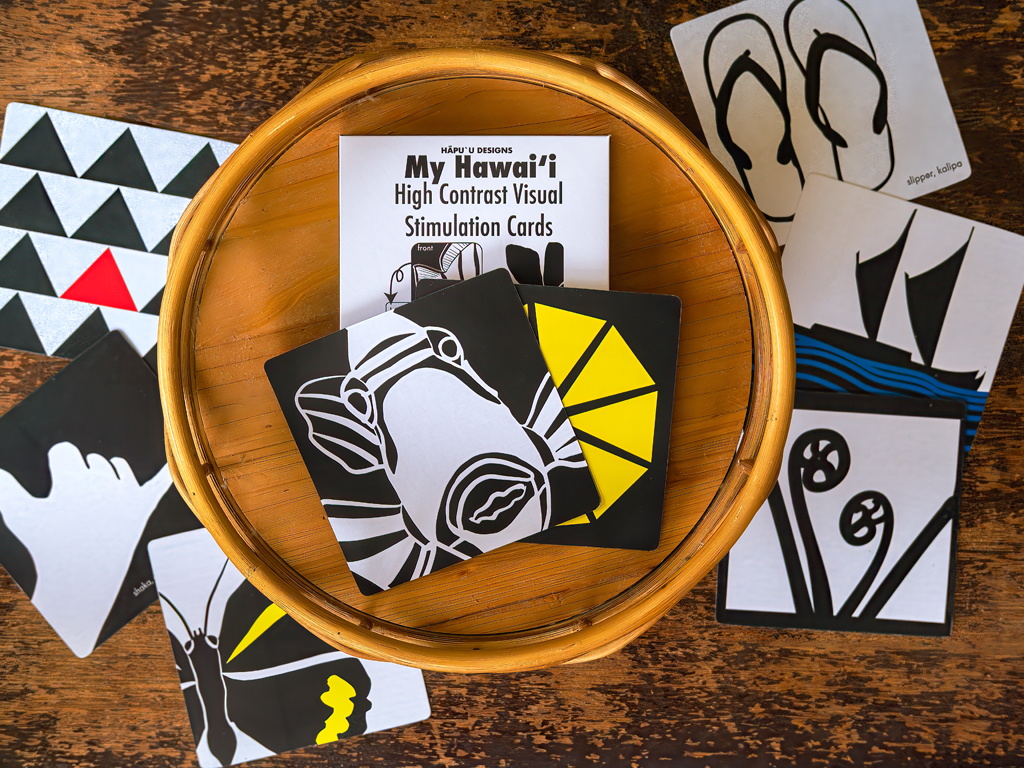
We design tools that grow with keiki — beginning in infancy and evolving alongside them. Our My Hawaiʻi: High-Contrast Flash Cards introduces babies and toddlers to plants and animals found in Hawaiʻi, while gently laying a foundation in ʻōlelo Hawaiʻi. But more than that, they create small, everyday moments for connection between parents, children, and Hawaiʻi, the place we call home.
Why Start so Early?
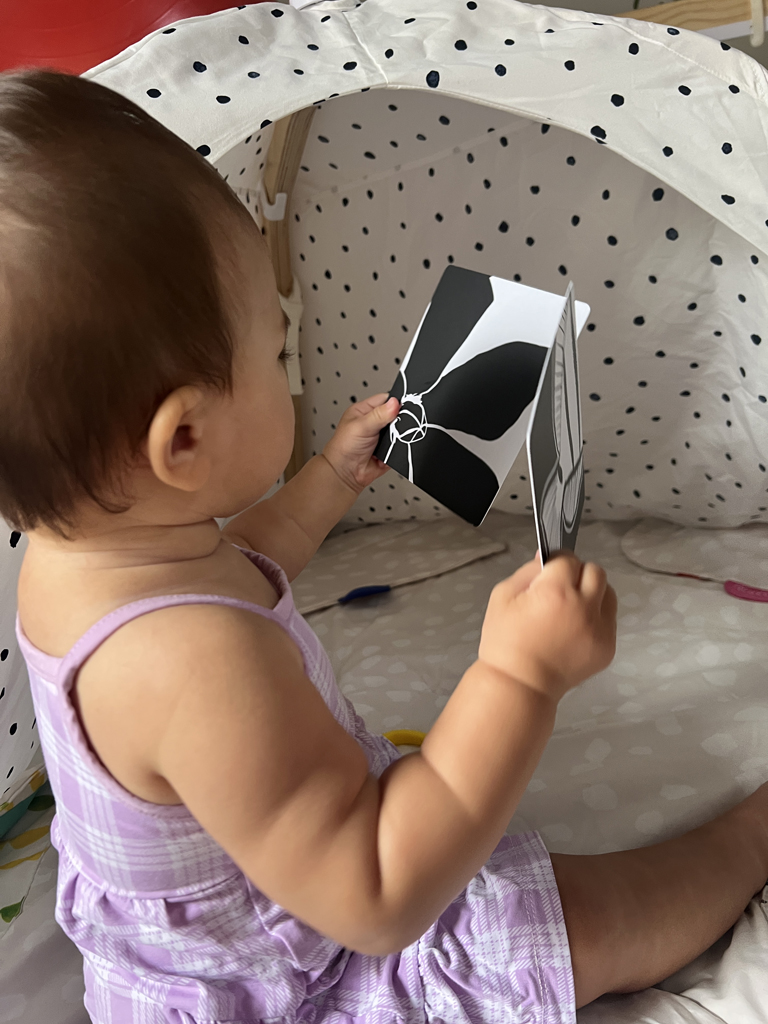
In the first few months of life, babies can only see high-contrast colors like black and white with shades of grey. Bold, simple patterns in black and white stimulate their developing vision and support brain growth. Our hand-drawn cards were designed with this in mind, and each card features bold, clear imagery inspired by Hawaiʻi’s flora and fauna.
Research shows that the first three years of life are very important for learning a language. During this time, children’s brains are especially open to learning more than one language. Using pictures with words helps them remember and understand better because it gives visual meaning. Learning multiple languages can also improve thinking skills, attention, and memory.
Learning Through Play, Island Style
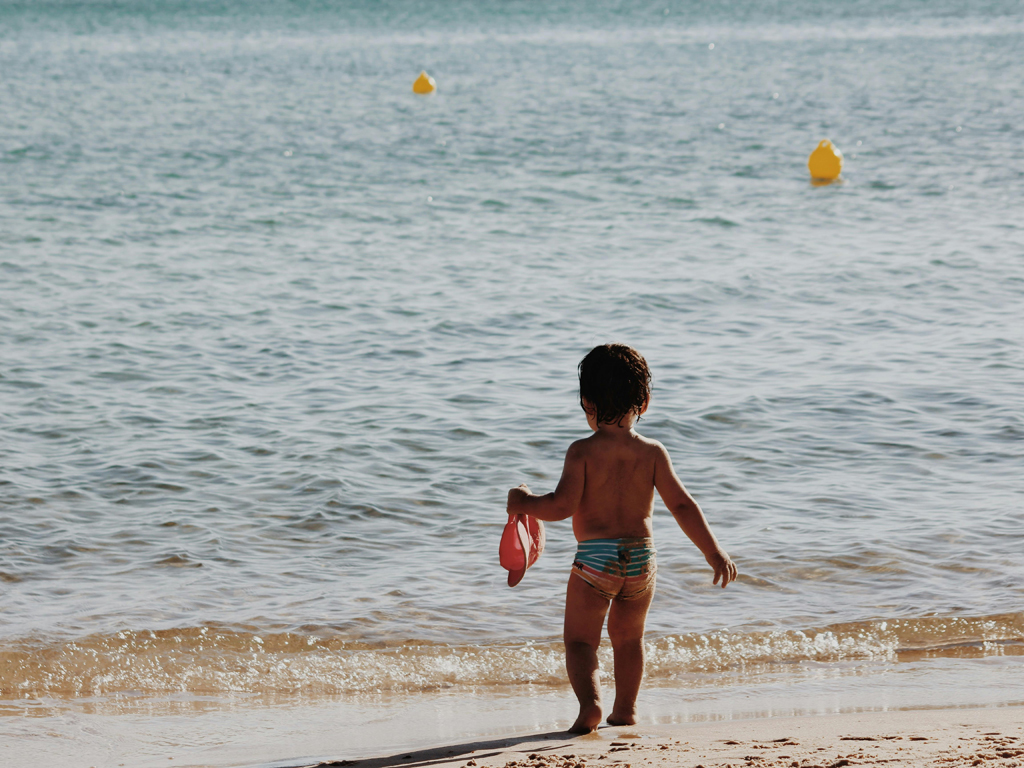
One of our core philosophies at Hāpuʻu Designs is simple: learning happens in everyday moments. We believe that learning does not just happen in formal lessons, but in the small, everyday moments where language fits naturally into daily routines.
With babies, cards can be placed on the wall near the change area or propped up to see and talk about during tummy time. With toddlers, you can name what you see on morning walks or talk story while cooking dinner together.
There are many approaches to weaving multiple languages into your daily life. Some families like the “one parent, one language” approach, where each parent will only speak their native or chosen language to the child. For example, one parent may speak only ʻōlelo Hawaiʻi, while the other will only speak English. Others designate certain times for ʻōlelo Hawaiʻi, while others simply sprinkle words throughout the day.
There is no single right way; what matters is exposure and connection. Alongside simple tools like high-contrast cards, families can explore hula for music and movement, visit places that welcome the multi-generational, or participate in community programs that foster and promote language.
A Gift that Grows with Keiki
When we created My Hawaiʻi: High-Contrast Flash Cards, we imagined it being pulled out during tummy time, tucked into a diaper bag for travel, or shared with new parents. Because truly, what better gift can we give than a connection to place?
Our flash cards have become meaningful gifts for baby showers, first birthdays, and holidays. Yes, they’re beautiful, but we also believe it’s because they carry intention.
For families new to ʻōlelo Hawaiʻi, they offer an approachable starting point. For families already immersed in language learning, they become another layer of connection. And for kūpuna (grandparents) gifting to moʻopuna (grandchildren), they become part of a legacy.
Raising Confident, Curious Keiki
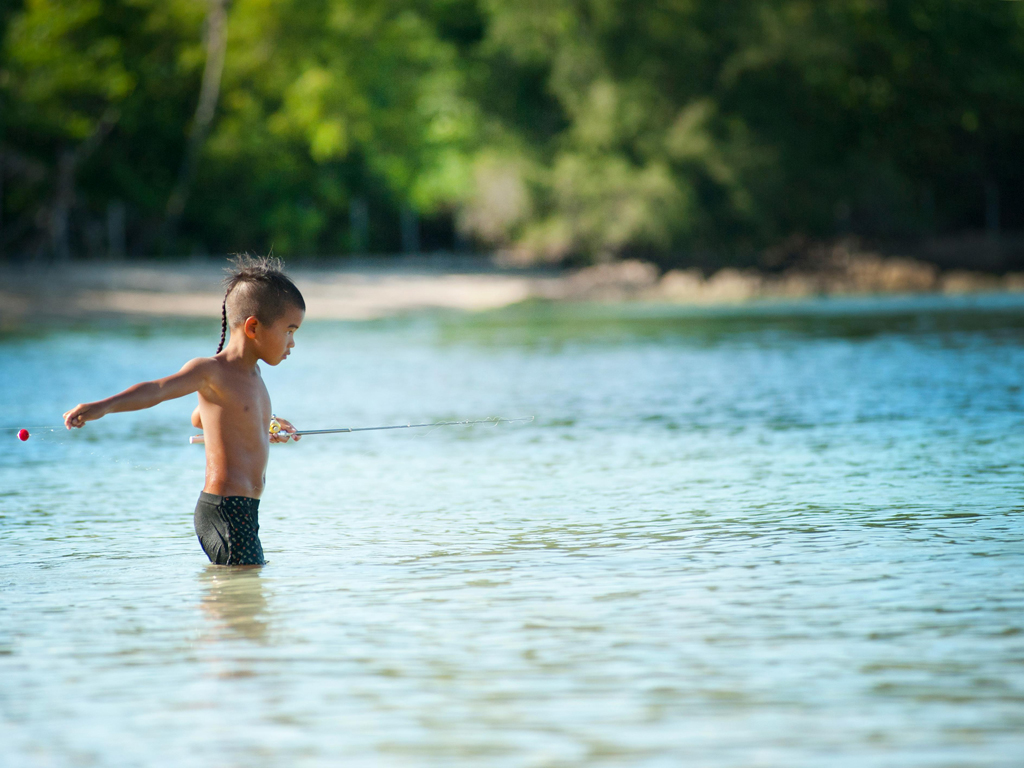
Imagine walking down that same Hawaiʻi street years from now. You see a child pointing to a bird saying, “Look, manu!!” They greet a neighbor with “Aloha!” without hesitation. They move comfortably and confidently between languages, cultures, and communities.
We believe learning language shouldn’t be about perfection, flawless pronunciation, or accurate diacritical marks. It’s about connection. It’s about giving our children tools to understand their world more deeply and, above all, to understand themselves.
That is what we aim to do at Hāpuʻu Designs, just two local moms doing our part to support families in raising confident, curious, culturally grounded keiki. In a place as richly layered as Hawaiʻi, language is one of our greatest gifts.
More About Hāpuʻu
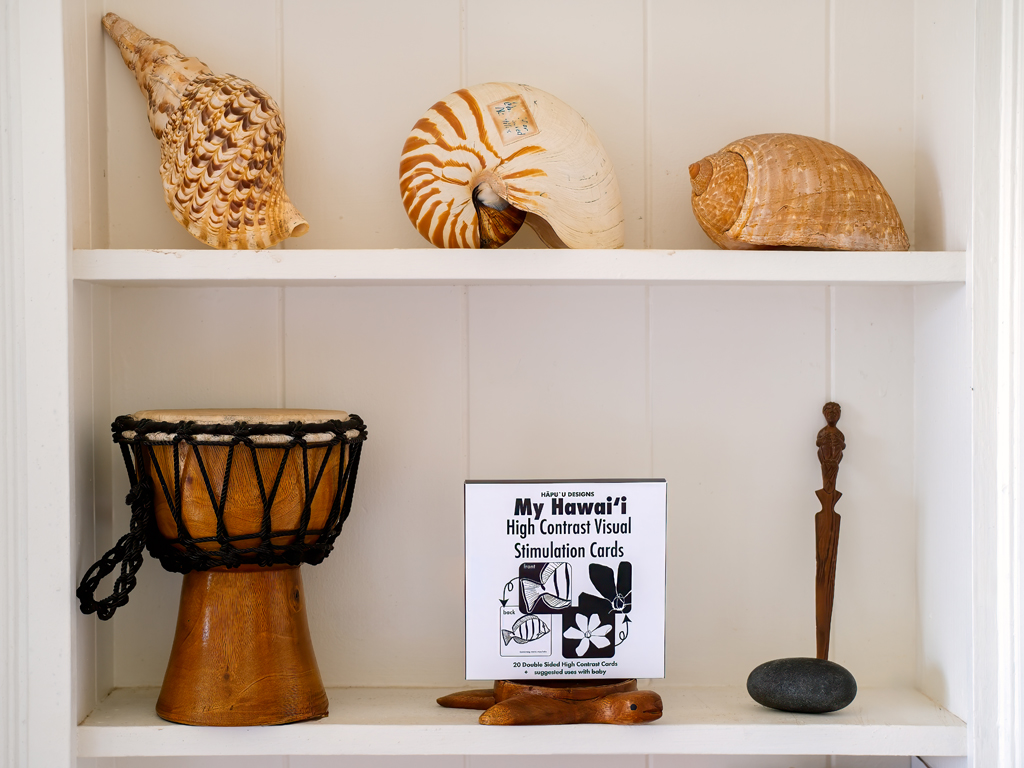
Mikiʻoi Tamangaro and Sade Thomas, two friends from Kauaʻi formed this company in 2022 when they realized they could not find locally designed and culturally minded products for infants and toddlers that reflected authentic imagery of Hawaiʻi.
The hāpuʻu, a native Hawaiian tree fern, inspired our name and logo. Poetically translated, hāpuʻu means a child or baby in ʻōlelo Hawaiʻi. Our mission is to create engaging learning products inspired by our unique island culture and storied history.
Our Company Values
ULU PONO: to grow well; progressive, thriving, successful
We value providing the tools and environment to help children grow well and be successful in life. We observe the hāpuʻu growing in the forest, unfurling each leaf to become a thriving tree in the forest.
ʻOHANA: family, relative, kin group; related
We value that our ʻohana connects us to Hawaiʻi. We reflect on the idea that the ʻohā (young kalo plant) of the kalo that grows off the mākua (parent), many ʻohā growing from the mākua make the ʻohana. The thought that our keiki are fed and nourished by the mākua while they are young will one day stand on their own to start their own ʻohana and have a connection to Hawaiʻi, no matter where they live.
ALU LIKE MAI: work in unity
We value collective effort to get the big things done. We respect and acknowledge each person’s strengths and know they bring value to accomplish our big goals and dreams by working together. When we are there to support each other, we all do better.
ʻIMI ʻIKE: to seek knowledge; a seeker of knowledge
We value continually seeking knowledge for lifelong learning. We encourage people of all ages to ask questions and never stop wondering about the world around them.