
by Dr. Jennifer Mbuthia, Pediatric and Adult Allergist/Immunologist, AAP Hawaii Chapter
As parents navigate infant nutrition and food introduction, a common concern is whether their child is going to have an allergic reaction to a new food. Many worry that symptoms of infant colic, mild skin rashes, or changes in the color of stool are a direct result of something that they fed their child. These concerns can be heightened in the parents of infants who develop more widespread skin conditions such as infantile acne or eczema.
As they navigate information from their child’s physician, parents can feel further confused or stressed by conflicting advice from family members. Well-meaning but outdated advice can lead some parents to delay certain foods until the infant is older, or it prompts breastfeeding mothers to dramatically restrict their own diets.

New Recommendations on Infant Food Introduction
For almost 20 years, parents were advised to delay the introduction of highly allergenic foods, especially eggs and peanut-containing products. The previous thought was that delaying exposure allowed the infant’s immune system to mature and food sensitivity to decrease with age.
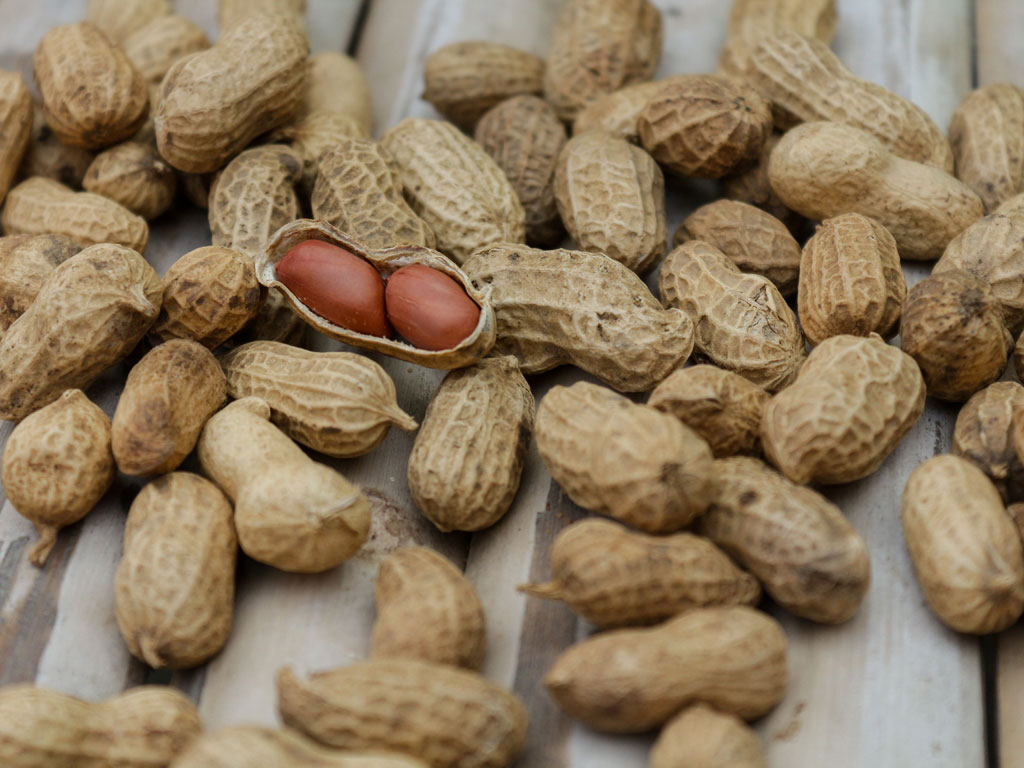
However, more current research has shown that introducing age-appropriate peanut products between 4 and 11 months of age reduced the risk of developing a peanut allergy by more than 80% compared to the risk in infants who avoided peanuts.
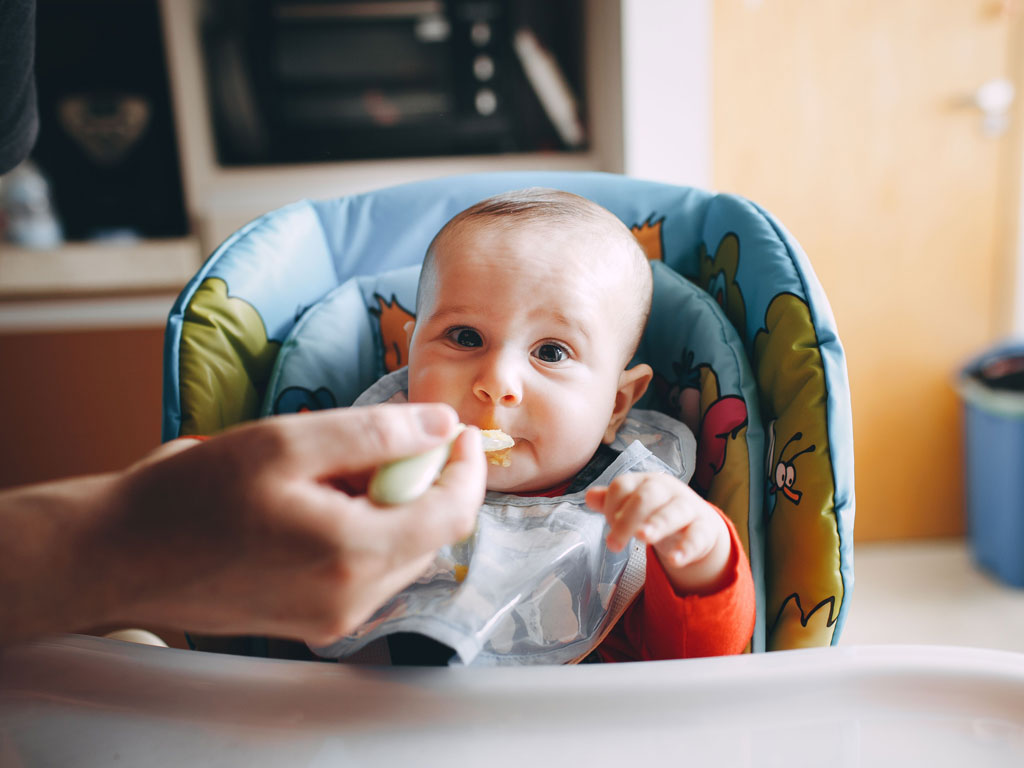
We now know that the infant’s immune system is highly adaptive, and when exposed early to these foods, it can learn to tolerate them and not develop a food allergy. Since 2019, the American Academy of Pediatrics has recommended early introduction of the common food allergens such as peanut and egg between 4 and 6 months old, especially in those infants considered high risk due to severe eczema. The food should be in a form that is developmentally appropriate and will not be a choking hazard, but this can be as simple as mixing a peanut or tree nut butter in with breastmilk or formula so it can be spoon-fed.

The Myth That Allergy Testing Can Predict What Foods to Avoid
Although the current guidelines sound straightforward, some parents still worry that their child will have a potentially life-threatening allergic reaction. For reassurance, some parents will ask for food allergy testing to screen or predict what foods they should avoid feeding their baby.
Food allergy tests, however, are not designed for this. Testing for multiple foods before they have ever been introduced can lead to unnecessary food avoidance. Food allergy tests are not a simple “positive” or “negative,” but require careful interpretation that includes what happens after eating the food. If the food has never been eaten, or if the food has been eaten many times with no reaction, then the results mean nothing and can lead to unnecessary avoidance. In fact, in children with eczema, the risk of a false positive food allergy test is between 50-90%.
Testing a child without a history of a reaction to a food turns a diagnostic tool into a source of medical misinformation, leading to unnecessary panic and the dangerous elimination of safe, nutritious foods from a child’s diet.
Skip the Commercial Food Sensitivity Tests
Parents should also avoid purchasing commercial “food sensitivity” home testing kits. These tests can be bought online and identify multiple food-specific IgG antibodies in the blood. But a normal immune system makes IgG to foods that you eat; it is a marker of food exposure and does not indicate any disease or intolerance. There is no scientific evidence showing these tests provide valid results, which is why these tests are not covered by health insurance.
If you limit your child’s diet based on these results, you might end up removing numerous healthy, safe foods from your child’s diet for no reason.

The Risks of Unnecessary Food Avoidance or Elimination
The most immediate consequences of over-testing for foods and misinterpreting results are the restrictive diets that can impact a child’s growth, and the increase in parental anxiety about feeding their child overall. But unnecessary or broad food panel testing also carries a severe, counterintuitive medical risk: it can actually induce severe, life-threatening anaphylaxis to a food the child previously tolerated or likely would have tolerated.
When an infant’s immune system is not being exposed to a variety of foods before the first year of life, it can increase the risk of developing an allergy to that food. This includes avoidance of a food that the child had eaten safely previously. A food that their immune system tolerated due to regular exposure can then become something the immune system has an allergic reaction to after a few months of strict avoidance.
Eat Early, Eat Often
The best advice for parents who want to be proactive about decreasing their child’s risk of developing food allergies is simple. By 6 months old, start introducing mashed-up foods like egg, peanut, and tree nuts, but introduce them one at a time and space new foods out by 1-2 days. If your child has eczema, the recommendation is to start introducing egg and peanut as early as 4 months old. New foods should be introduced during the daytime and ideally at home, and not at a restaurant or while on vacation. After your child successfully eats a new food, try to expose them to it weekly to continue to maintain that tolerance. If your child has sensitive skin and tends to get rashes around the mouth easily, you can apply a barrier like Vaseline to protect the skin from getting irritated by certain foods with higher acidity such as tomatoes and citrus fruits.
Food anaphylaxis reactions happen relatively fast, usually within minutes but up to a few hours after ingestion, so if your child develops a rash the next day, it is not an allergic reaction to what they ate the day prior. If there is a concerning reaction, then seek immediate emergency medical care and avoid the new food item until you have been seen by your physician or by an allergist.
Your child’s pediatrician or other healthcare provider is your partner in caring for your child and welcomes questions you have about feeding your child.