by Elsa Lee, Ph.D.
Clinical Director, Assets School
Social skills can feel natural for some children and confusing for others. They shift across the years; a preschooler who struggles with turn taking may grow into an elementary student who feels unsure about joining a game, and later into a middle schooler who worries about fitting in. When parents understand what to expect at each stage, they can better support their child by offering tools that help them build meaningful relationships.
Preschool and Kindergarten Years
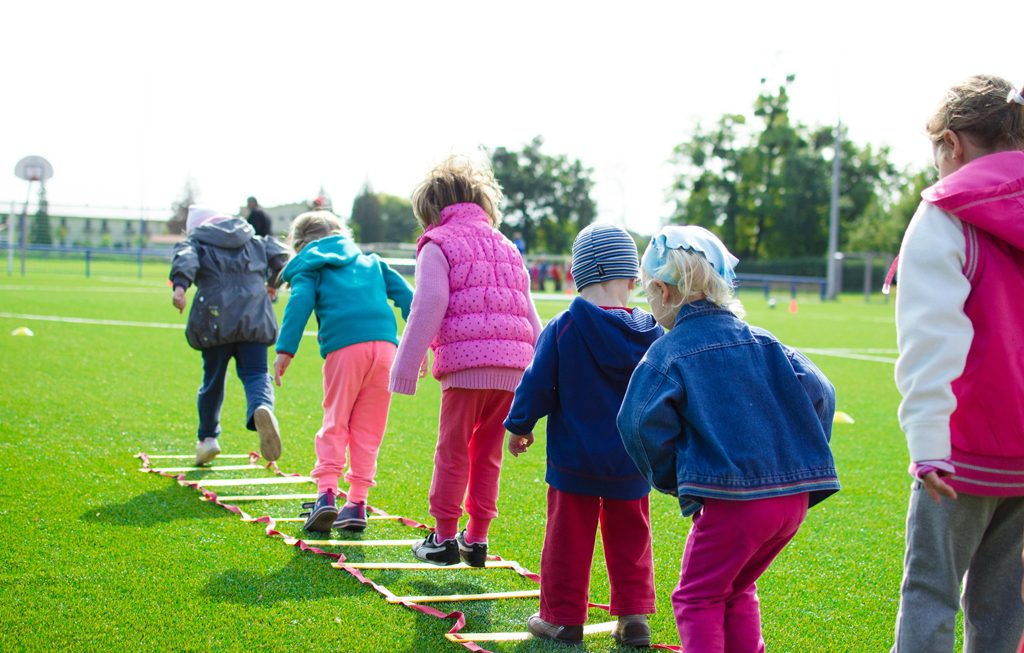
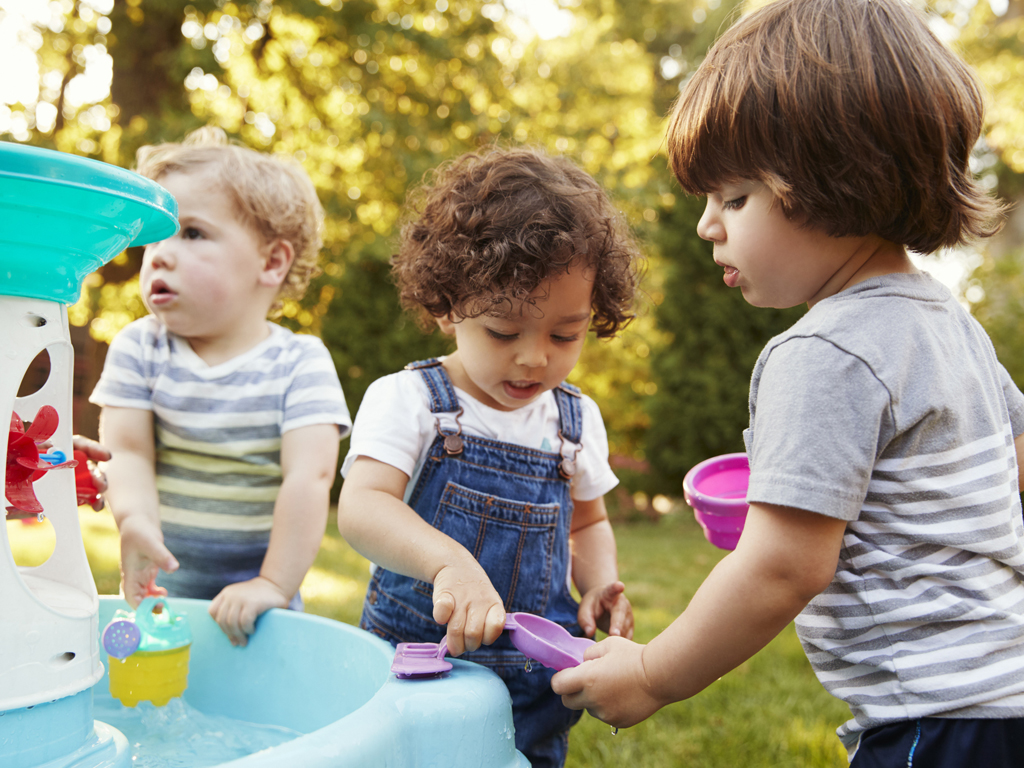
In the early years, social skills develop quietly in the background. Infants study faces, voices, and movement long before they can speak. Toddlers begin noticing that other people have their own thoughts and emotions. By preschool and kindergarten, children try to share toys, join play, and interpret rules that are often unspoken. Conflict naturally appears. A child may grab a toy without asking, or another may burst into tears when they lose a game.
Parents help most when they slow down and talk through these moments. Young children often express emotions through behavior rather than words. When a child comes home upset or overstimulated, the most effective response is to pause, stay calm, and create space for the child to describe what happened. Parents who notice small cues and invite the child to talk help them feel safe enough to share their story, even if it comes out slowly.
As the child explains what happened, parents can gently link the moment to the social ideas involved. If the child felt left out, parents can talk about how to tell when a group is open to someone new. If the child misread a tone or facial expression, parents can point out subtle cues that signal what another child may have felt. Helping the child slow down and think about these cues strengthens their awareness for future interactions.
Elementary Years
By the time children reach elementary school, friendships matter in a deeper way. They pay more attention to fairness, shared rules, and the expectations of a group. They also become acutely aware of moments when they feel left out. Some children navigate this easily, while others are unsure how to step into a group or keep a conversation going.
This is a stage where a little practice goes a long way. At home, parents can rehearse small social moments through short, realistic scenarios. A child might practice asking a classmate about a hobby or think through how to respond when invited into a game. These simple role-plays offer children a safe space to test out words and actions. They also give parents a natural way to guide tone, eye contact, and pacing.
Children at this age also begin to understand more clearly that others have their own thoughts and preferences. Parents can strengthen this awareness through quick, everyday conversations about characters in books, scenes in shows, or small moments they notice together. Questions like “What do you think he wanted there?” or “Why do you think she stepped away?” help children pay attention to intentions. Pointing out changes in body language or facial expression during a movie keeps the learning grounded and practical. These small interactions allow parents to weave social insight into daily life in a natural, relaxed way.
Pre-teen Years
Middle school brings a new kind of social world, and many children feel the pressure right away. Friends shift, groups and cliques become more visible, and children often wonder where they fit. A joke that worked the year before might fall flat now because humor becomes more subtle. A child who once felt sure of themselves may begin to worry about saying the wrong thing.
Parents help most by talking through real moments as they arise. When a child describes something that happened at school, parents can resist the instinct to give advice immediately. Allowing the child to
describe what they noticed and how it made them feel helps them feel understood. Asking questions with curiosity helps the child sort out both their reactions and the other person’s experience.
Middle schoolers also need reassurance that conflict is part of growing up. Instead of assuming a friendship is over, parents can help the child think through what happened and what each person wanted in the moment. It also helps to teach children that not every friendship will work out, and that this is normal rather than a sign that something is wrong with them. Some peers drift away as interests change. Others may not be a good fit because the dynamic leaves the child feeling tense or unsure. Naming this truth helps children release the pressure to please everyone and instead focus on relationships that feel steady and respectful. One or two solid friendships often matter more than having a large circle.

Adolescence and High School Years
During adolescence, social dynamics shift again. Teens seek more independence and often turn to friends for support. They explore identity through shared interests, group membership, and online communities. They also face peer pressure and worry about acceptance. Mood shifts, withdrawal, or difficulty managing conflict are common and often reflect the intensity of this developmental stage. A steady and predictable relationship at home becomes essential.
Teens open up more easily when they know they can ask questions or describe experiences without being judged or rushed. Many feel relieved when they can talk through a confusing interaction with an adult who listens first and responds later. When the moment feels right, parents can offer gentle guidance about communication, boundaries, and healthy friendships.
Supporting Children Who Struggle More Deeply
Some children face social challenges that extend beyond everyday developmental bumps. They may misread cues, take interactions literally, or respond in ways that do not match the situation. These patterns can reflect attention differences, communication challenges, anxiety, or previous negative experiences with peers.
Early support can make a noticeable difference. Social skills training gives children a safe place to practice conversation, flexible thinking, and problem solving. Parents also play a key role through modeling, rehearsal, and consistent routines. A home atmosphere that offers warmth, empathy, and predictability helps children feel more secure. When children trust that home is a steady base, they become more confident taking small social risks in a complex world.