by Hailey Zalopany
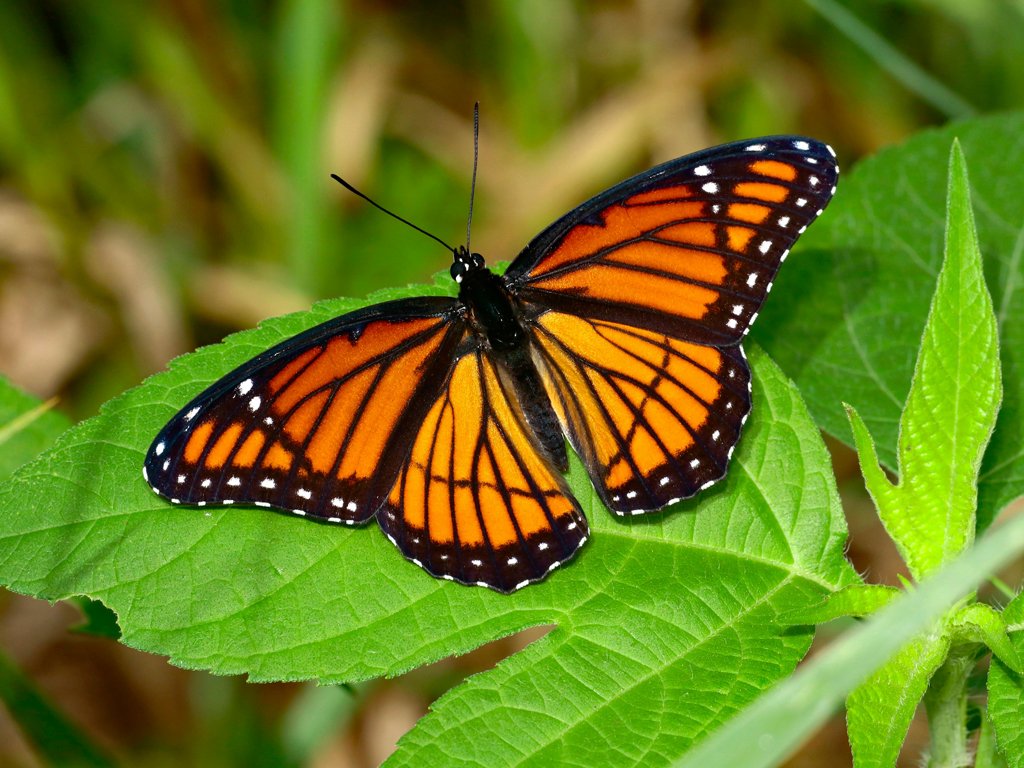
Raising monarch butterflies with your kids is a captivating and educational experience that offers a unique opportunity to explore the wonders of nature together. Watching a caterpillar undergo metamorphosis and transform into a beautiful butterfly not only sparks curiosity but also provides valuable lessons in biology, responsibility, and the environment. Monarch butterflies, known for their striking orange wings and their fascinating journey from egg to butterfly, provide an excellent way for children to learn about the natural world in a hands-on way. Through this process, they can gain a deeper understanding of life cycles, ecosystems, and the importance of conservation, all while enjoying the joy of nurturing these delicate creatures.
Monarch Butterflies in Hawaii
Monarch butterflies have become a very recognizable and loved butterfly in Hawaii despite not being native to the islands. They made their way to Hawaii in the 1840s, and by the 1960s, monarchs had successfully colonized most of the Hawaiian Islands. Monarch butterflies thrive on the crown flower plant. This milkweed plant nourishes them throughout their life cycle. Females also lay their eggs on milkweed, knowing it will provide nutrients and protection for hatched eggs.
Monarch butterflies thrive in Hawaii. They no longer migrate here, but rather have made it their permanent home. The release of monarch butterflies has extreme benefits to the ecosystem and their quickly declining global populations. As pollinators, butterflies are extremely important to the overall health of the planet.
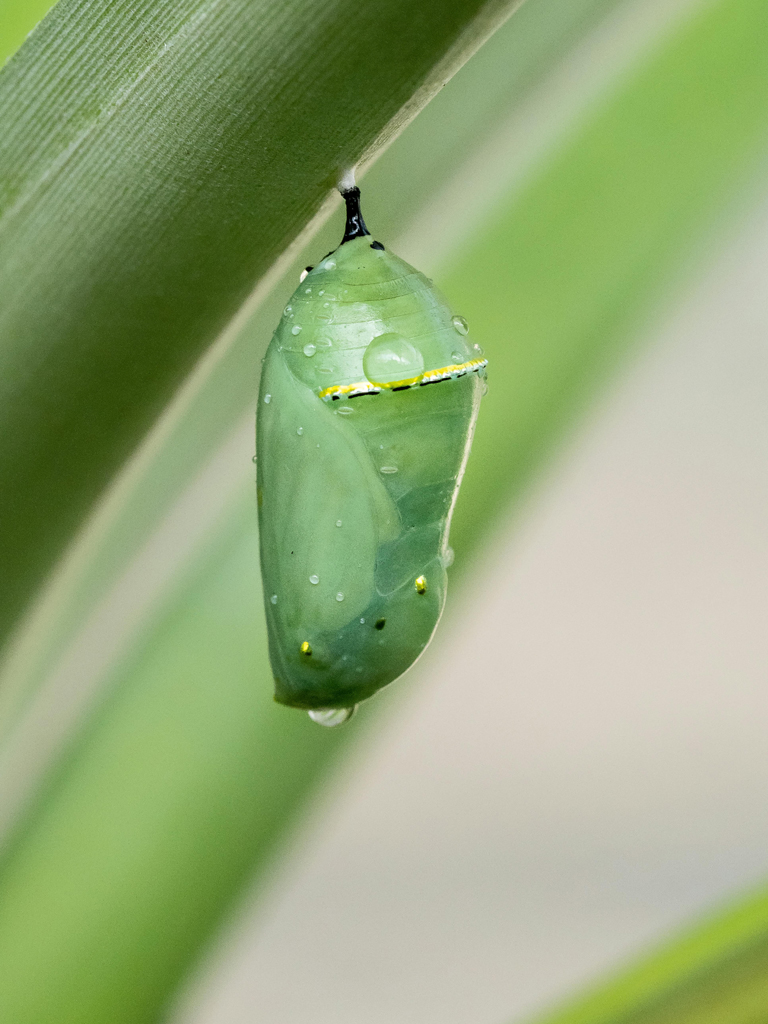
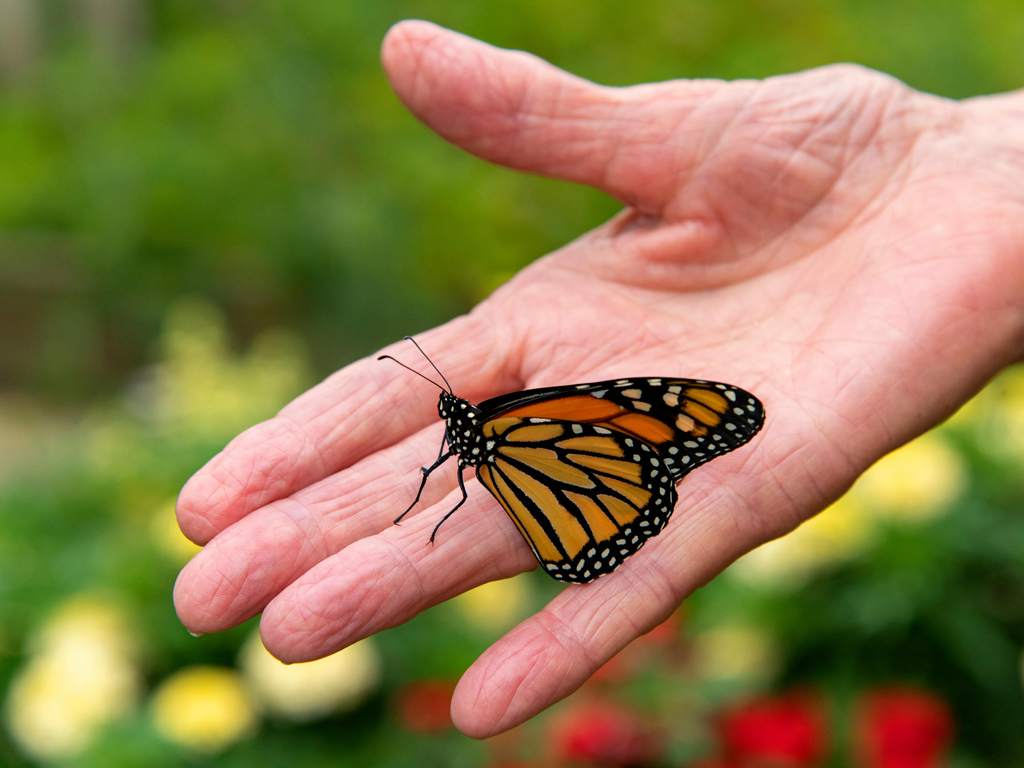
Butterfly Life Cycle
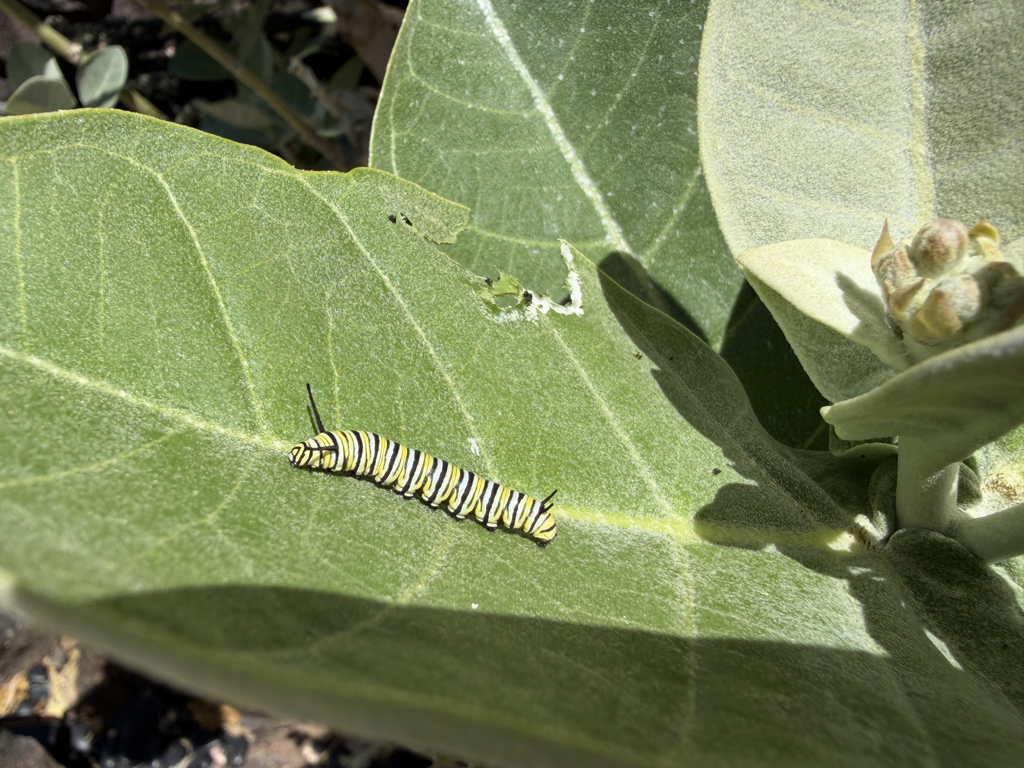
Female monarch butterflies lay small, cream colored eggs on the milkweed plants that generally hatch between 4 to 6 days. On average, they lay between 100 to 300 eggs during their lifetime. Once hatched, the caterpillars eat their shell and then the milkweed plant on which they were laid. Although their warning stripes are helpful in protecting themselves from birds and other predators, they don’t guarantee survival. Predators and exposure to the elements decrease their chances of survival to only 5%. Since 2021, monarch butterflies have joined the global endangered species list, making it more important than ever to aid their lifecycle.
How to Get Caterpillars to Raise
If you’re interested in raising butterflies, there are a few ways to get monarch butterfly caterpillars. The easiest would be to find them on crown flower plants in your area. Monitor these plants and when you see caterpillars, bring them home, keeping them in jars or critter cages. Feed them daily with new leaves, leaving a few sticks for eventual chrysalis creation.
If you don’t have a crown flower plant or the time to go caterpillar hunting, many online sites sell caterpillars. But buying live animals online can be difficult here in Hawaii. On Oahu, “Sharing the Butterfly Experience” sells caterpillar kits that include a pop-up tent, a small crownflower plant, and written instructions. Beyond at-home kits, school programs are also available.
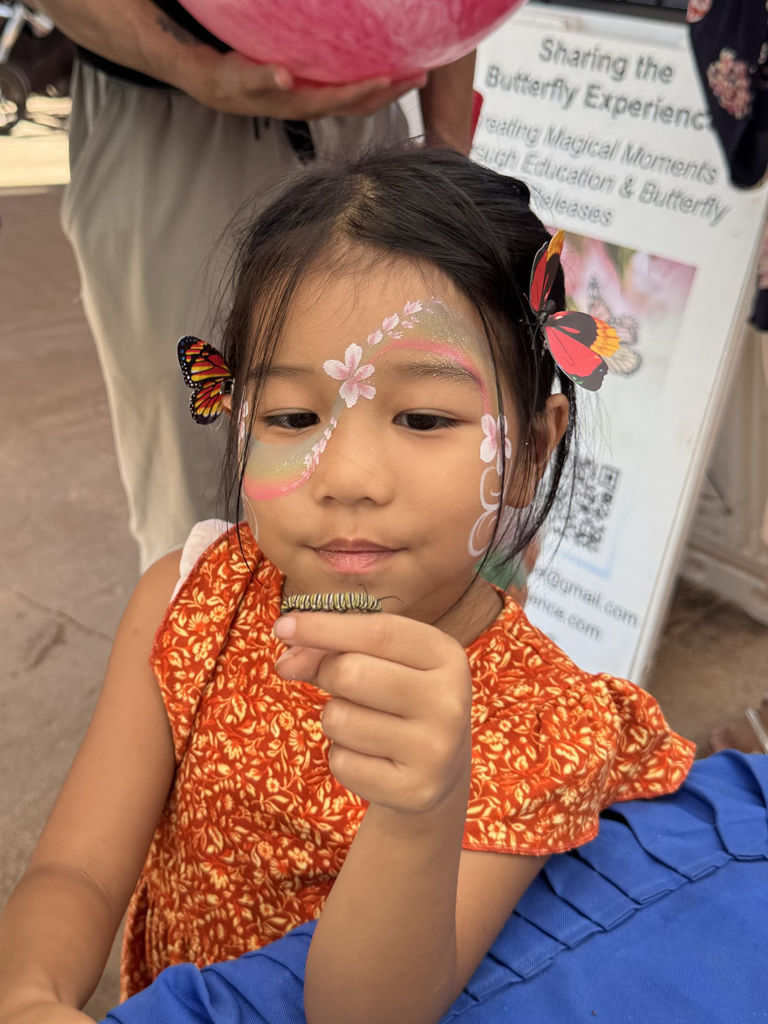
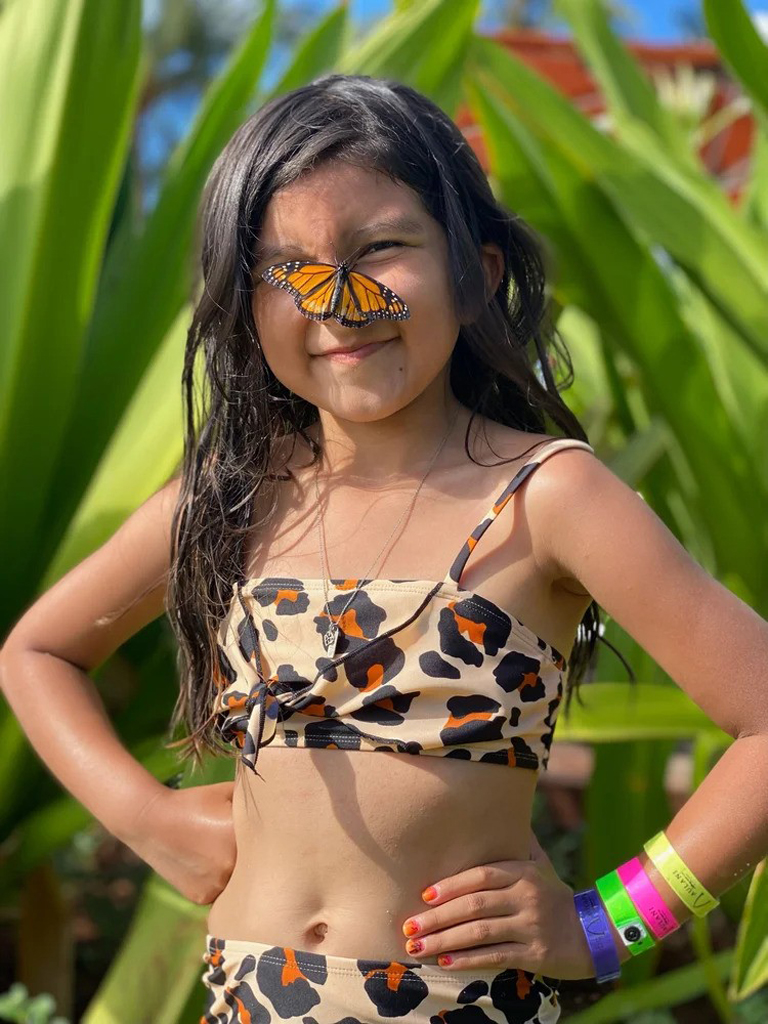
Lessons in Science, Patience, and Responsibility
Raising butterflies with children is not only fun but educational. It is a great experience for learning about biology firsthand at a comprehensible level. As they observe the life cycle, from egg to caterpillar, then chrysalis, and finally adult butterfly, they witness a real-time biological process that illustrates how living organisms grow and change. It can be a great introduction to concepts such as growth, development, and the stages of life. By learning about butterflies, kids gain a deeper appreciation for biology and the interconnectedness of living creatures.
Other important skills children gain from raising butterflies are observation and critical thinking. The whole process from egg to release can take about 2-4 weeks. In that time, kids will see huge changes to their beloved new critters. They will see size differences and color differences. As they observe the changes, they also need to practice patience. There isn’t anything that they or you can do to speed up the process. They practice patience and let their anticipation gradually grow.
Raising butterflies, or any living thing for that matter, can be a great way to teach kids about responsibility. Caterpillars need to be fed daily, and what goes in must come out. Daily cage cleaning is also a good idea. Through their observations, they have seen that caterpillars eat a lot. They need to take care of their critters if they want to reach the ultimate goal of a butterfly.
When It’s Time to Set Them Free
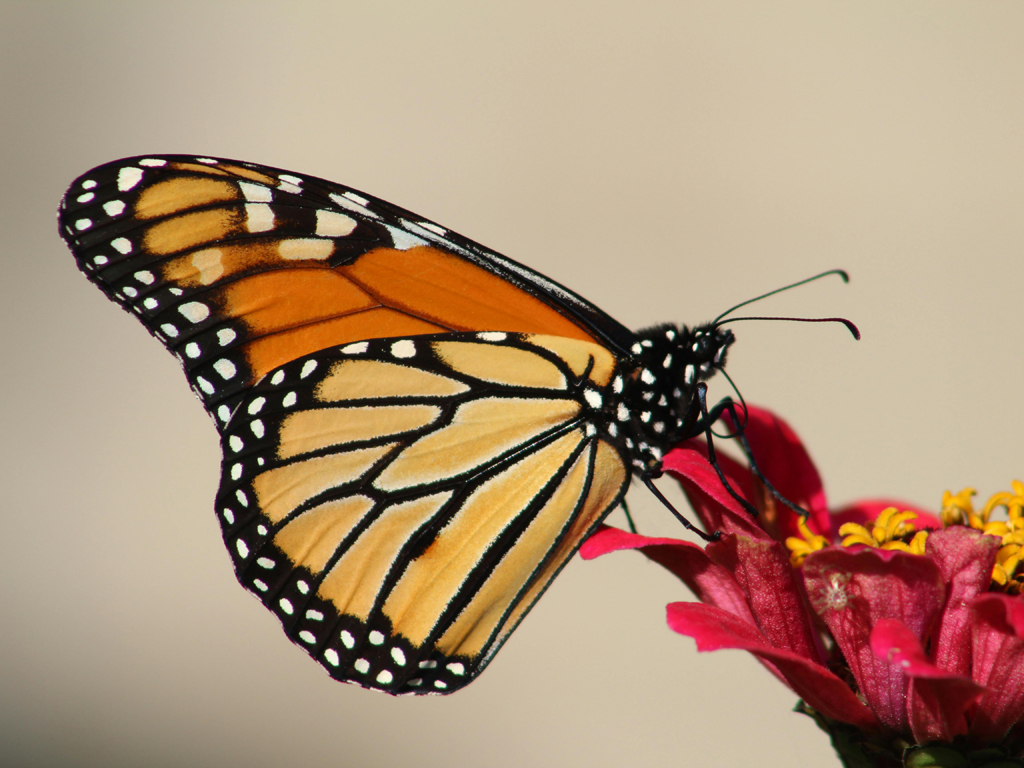
An important aspect of raising caterpillars until they’re butterflies is releasing the butterflies. This can be a wonderful experience for kids. It may be one of the only times in their lives that they may hold one of these delicate insects. Apart from a magical experience for kids and a great photo opportunity for parents, there is another lesson to be learned here. Your kids have taken care of their critters for weeks and have likely become attached to them. This is a good opportunity for them to experience letting something they love go in the most minute sense. In raising their butterflies, they have learned to be more observant and inquisitive, responsible, and patient; and now they are learning sacrifice. Although they love their fluttering orange friends, setting them free is the best thing for them.
Raising monarch butterflies with your kids is a great chance for your kids (and you) to learn and have fun with this hands-on activity. Raising butterflies is fun at any age. You may even find yourself sneaking some peeks for yourself to see where your part-time pet is in their incredible life cycle. Raising butterflies is a magical, hands-on activity that creates lasting memories while teaching kids important life lessons they will carry with them for years to come.
Each summer, Sharing the Butterfly Experience hosts a special pop-up event at Pearlridge Center. It is a wonderful opportunity for keiki to learn about the life cycle of monarch butterflies and enjoy a hands-on encounter in an interactive setting.
For details about the upcoming 2026 event, visit their Instagram at @sharingthebutterflyexperience. If you are interested in raising your own caterpillars at home, you can find more information on their website at www.sharingthebutterflyexperience.com.