by Shannon Dean
In a highly competitive world that places a huge premium on easily measured achievements, creative arts are sometimes considered an extra for which there is not enough time or money. However, experts believe that this thinking is dated since research indicates that the arts can provide important benefits to brain development and learning alongside traditional academics.
The Benefits of Childhood Exposure to the Arts
Enhanced Development, Academic Performance, and Self-Confidence
Teachers have always intuitively known that the arts increase academic performance, behavior, and attendance. And recent brain research confirms that the arts boost memory, intellectual curiosity, and self-esteem.
In its published study, “Champions of Change: The Impact of the Arts on Learning,” the Arts Education Partnership says, “When well taught, the arts provide young people with authentic learning experiences that engage their minds, hearts, and bodies and nurture the development of cognitive, social, and personal competencies.”

Diverse, Highly Valued Skills That Contribute to Future Success
There’s often an assumption that a significant investment in the arts is a financial loss. Sure, it’s nice to have an artistic child, but having a successful, employable child has to be the real goal.
Fortunately, it is possible to achieve both, because exposure to the arts develops skills that are highly valued in the workforce. The evolving workplace rewards creative thinkers who can generate innovative and original ideas across a variety of media. An education that incorporates the arts powerfully nurtures imaginative, adaptable, and tough-minded thinking that can benefit children across many areas of study. Better still, in an increasingly interconnected world, exposure to the arts helps children appreciate different perspectives and backgrounds.
Famed Broadway composer Stephen Schwartz explains, “The arts are about increasing sympathy, increasing in people the ability to see things from other people’s point of view, and understanding that the world is not just from your own narrow perspectives, but from the perspective of people from other cultures.”
Yet, while the arts open a world of possibilities to a child, they also give children a greater sense of self. While enjoying artistic experiences, children are stripped of pretenses and self-consciousness. As a result, they develop an awareness of, and appreciation for, their unique individuality.
Easy, Inexpensive Ways to Incorporate the Arts Into Your Child’s Life
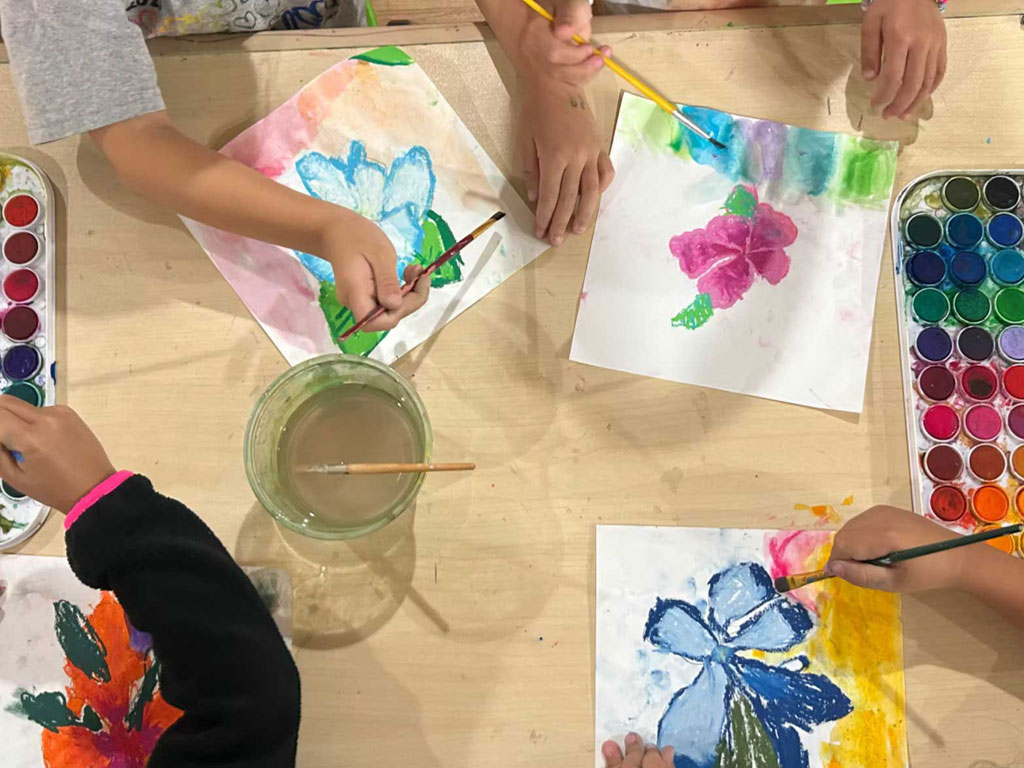
Exposing a child to the arts need not be time-consuming, difficult, or expensive. Most communities offer enrichment programs at recreation centers, libraries, museums, or performing arts centers at little or no cost.
It is also very easy to reinforce concepts at home. Here are different types of creative arts that children enjoy, the benefits that each provides, and suggestions for how to incorporate them at home.
Music
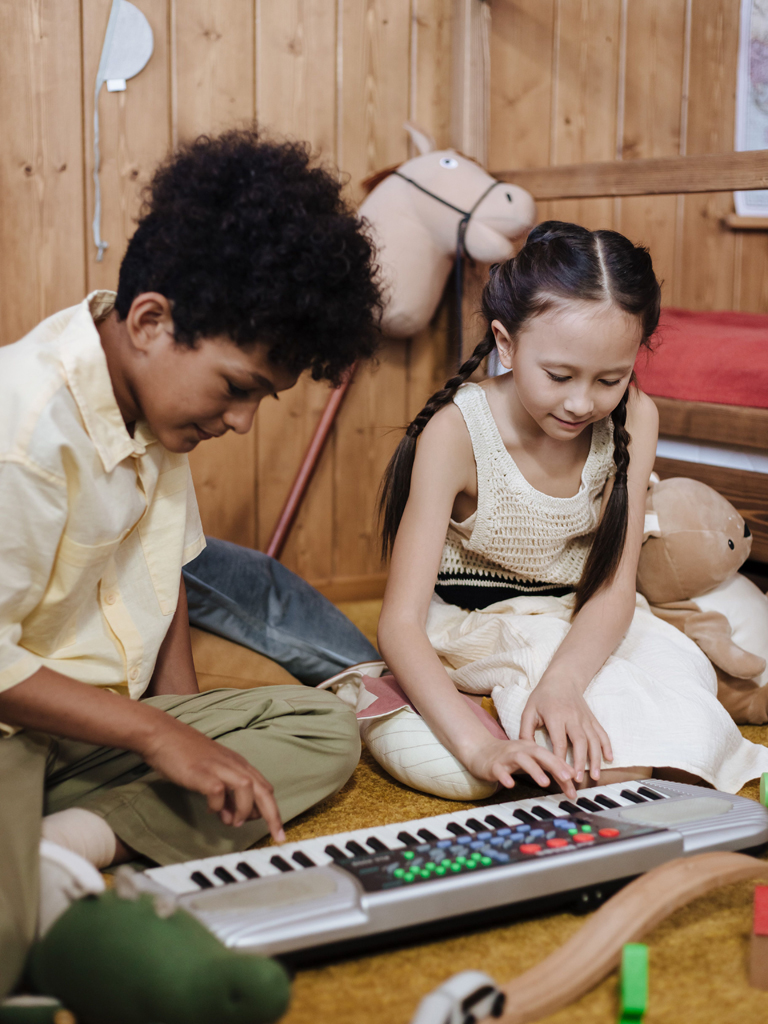
Listening to, singing, and playing music has an undeniable effect on reasoning, language, math, and social behavior. Exposure to music can actually form new, permanent connections in a child’s brain. Children who engage with music experience substantial developmental, emotional, and social gains while building greater self-awareness, cooperation skills, and an appreciation of different cultures.
Parents can easily play or make music at home, but do not be afraid to take your child to the symphony. Many organizations offer child-friendly matinees and instrument “petting zoos” that expose children to different instruments and sounds. It is wonderful to watch a child’s reaction when they instinctively gravitate toward a specific instrument.
Creative Drama
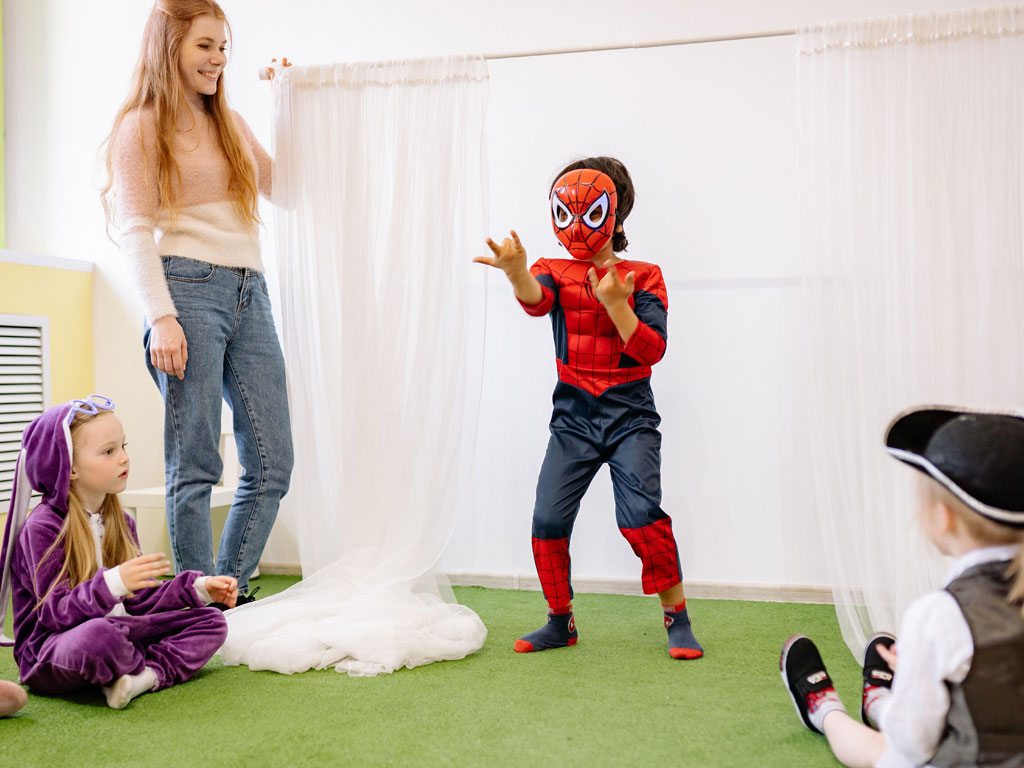
Creative drama can include dramatic role-play, story enactment, or viewing live theater. Such exposure enhances a child’s imagination, builds self-confidence, and improves memory and reading skills. Drama students also learn to comfortably express their emotions in a group setting—a skill that becomes increasingly important in adulthood.
At home, parents can easily encourage pretend play, as many children instinctively act out their favorite stories. Hosting a family talent show allows even shy children to shine in the safety of their own home. You can also explore local theater offerings created specifically for kids.
The Visual Arts
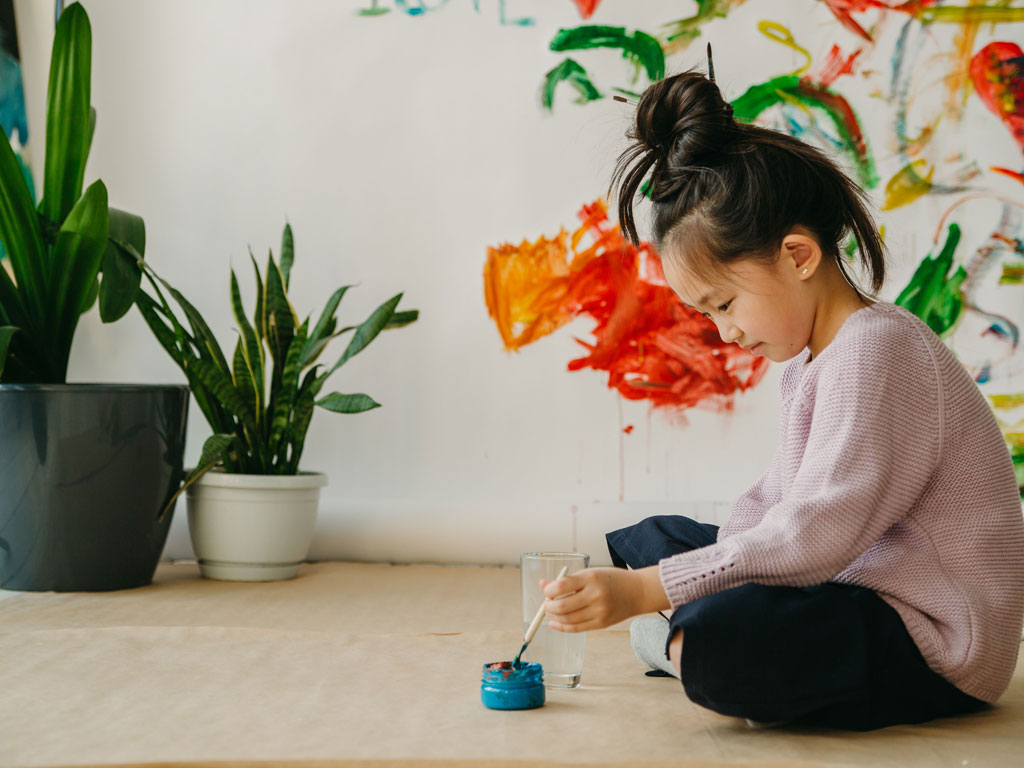
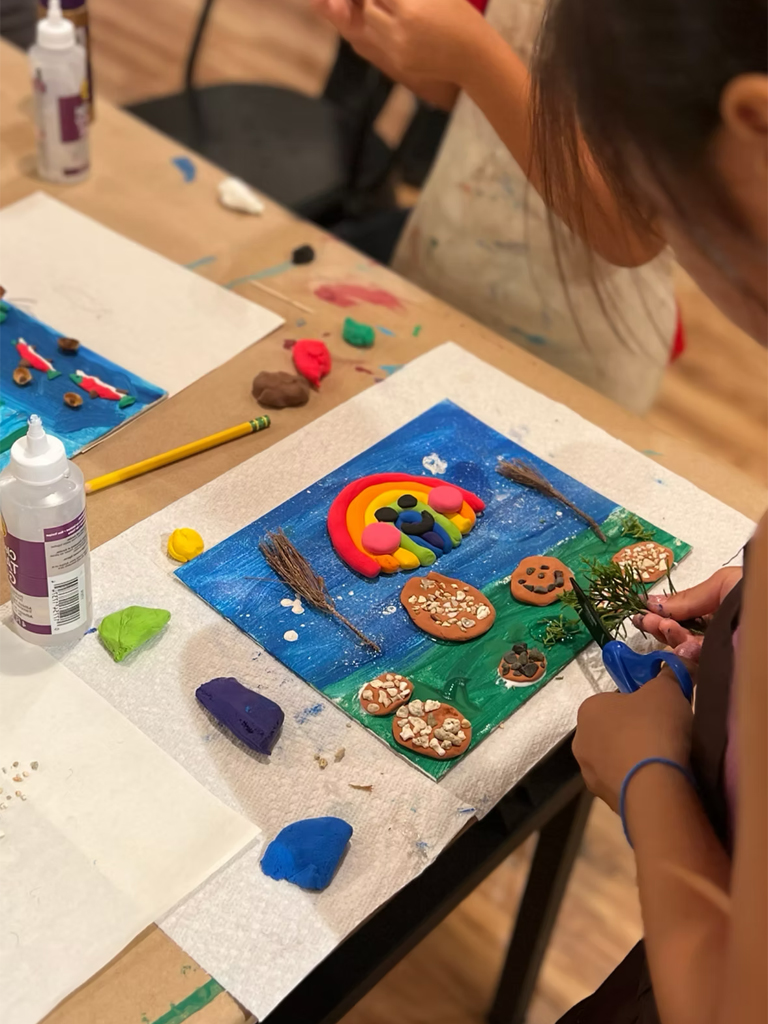
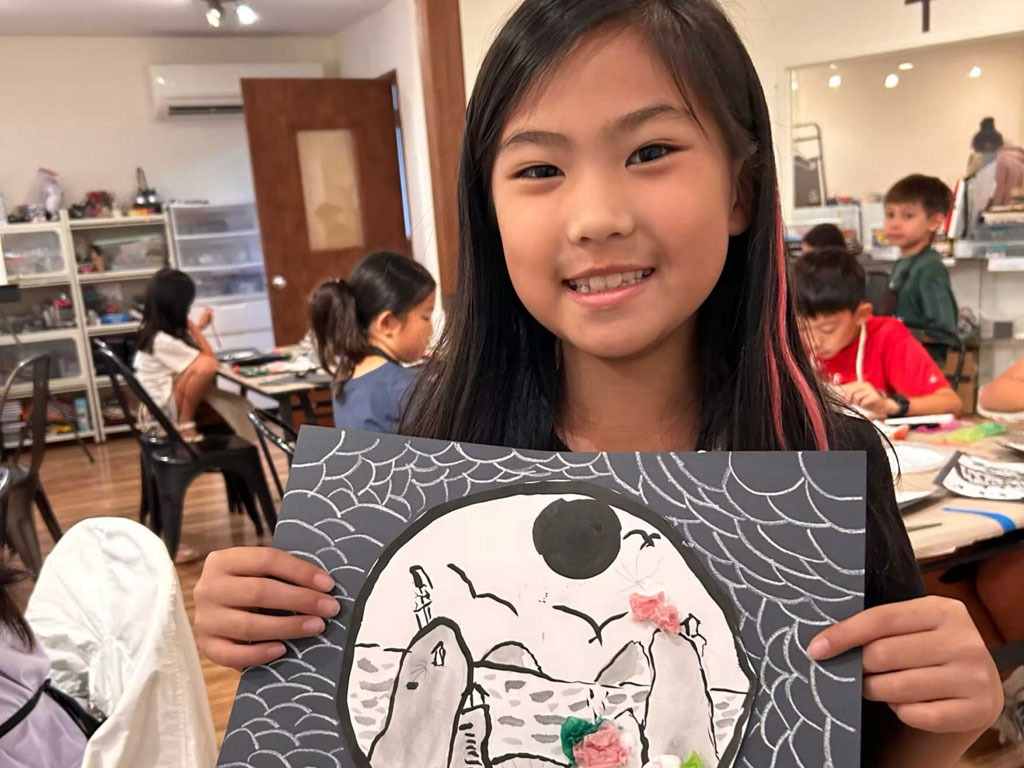
Exposure to painting, drawing, sculpture, photography, and architecture helps develop fine motor and critical thinking skills. Visual art also fosters self-discipline, organizational habits, and confidence. It makes academic subjects—particularly geometry—far more accessible by showing children how creative thinking connects to all areas of learning, turning even challenging topics into engaging ones.
It is simple to encourage the visual arts at home because children naturally love to draw, sculpt, and build. Allow kids to use an old phone or camera to take photographs, then select one together to frame. Look for family nights at local museums and ask your child to describe what they like about their favorite pieces.
Literary Arts
Reading or creating written works, poetry, and narratives encourages self-exploration and intellectual curiosity. Despite geographic or socioeconomic barriers, literature teaches children to appreciate the opinions and backgrounds of others while honoring their own abilities.
With so many forms of entertainment competing for children’s attention, families can make literary reading a more intentional part of their time together. Families can reconnect by reading classic literature together. Books such as The Swiss Family Robinson, Through the Looking-Glass, Treasure Island, and Little Women remain timeless choices.
Many publishers offer classic stories adapted with age-appropriate text, and poetry written specifically for children is another great entry point. Encourage your kids to write and illustrate their own stories and poems.
With all of the offerings and choices available, incorporating the arts into your family’s daily routine is both manageable and rewarding. Even if your child does not become the next Shakespeare, Mozart, or Picasso, these simple efforts yield substantial lifelong benefits.