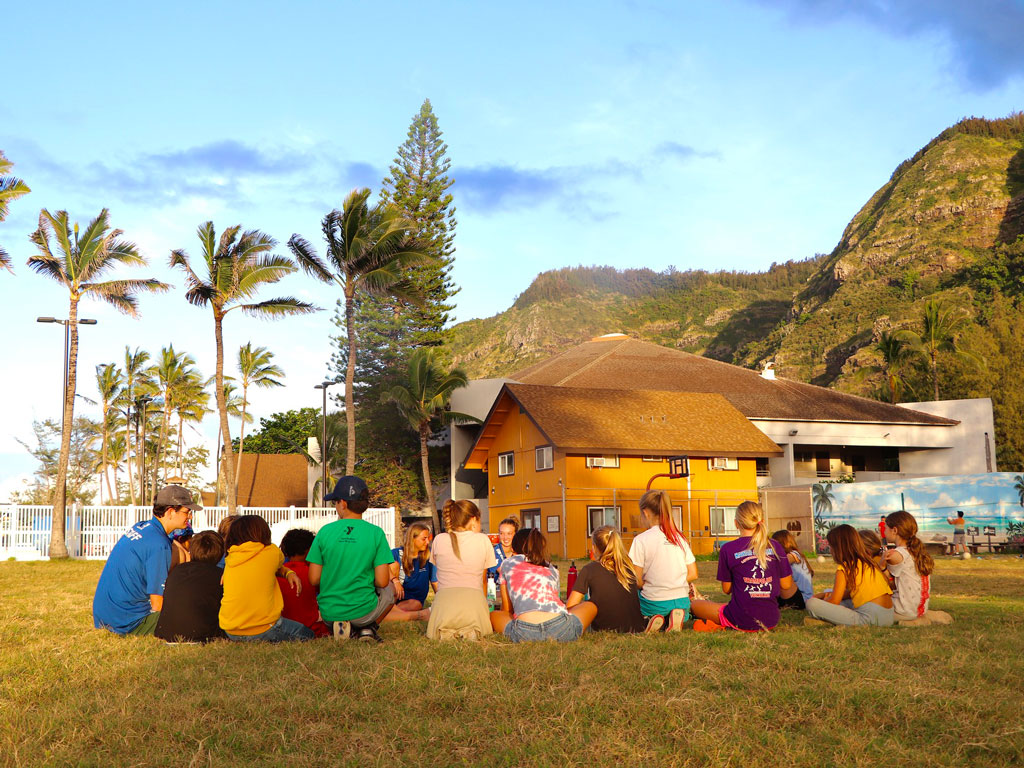
For 100 years, the laughter of local keiki has drifted through the ironwood trees of Mokulē‘ia, carried on ocean breezes and stitched into the memories of generations of island families. On O‘ahu’s North Shore, where mountains meet the sea, the YMCA Camp H.R. Erdman has stood as a place of many firsts: first swims, first friendships, first sparks of independence — and for many local families, a first taste of belonging beyond the home.
From Borrowed Fields to a Permanent Home
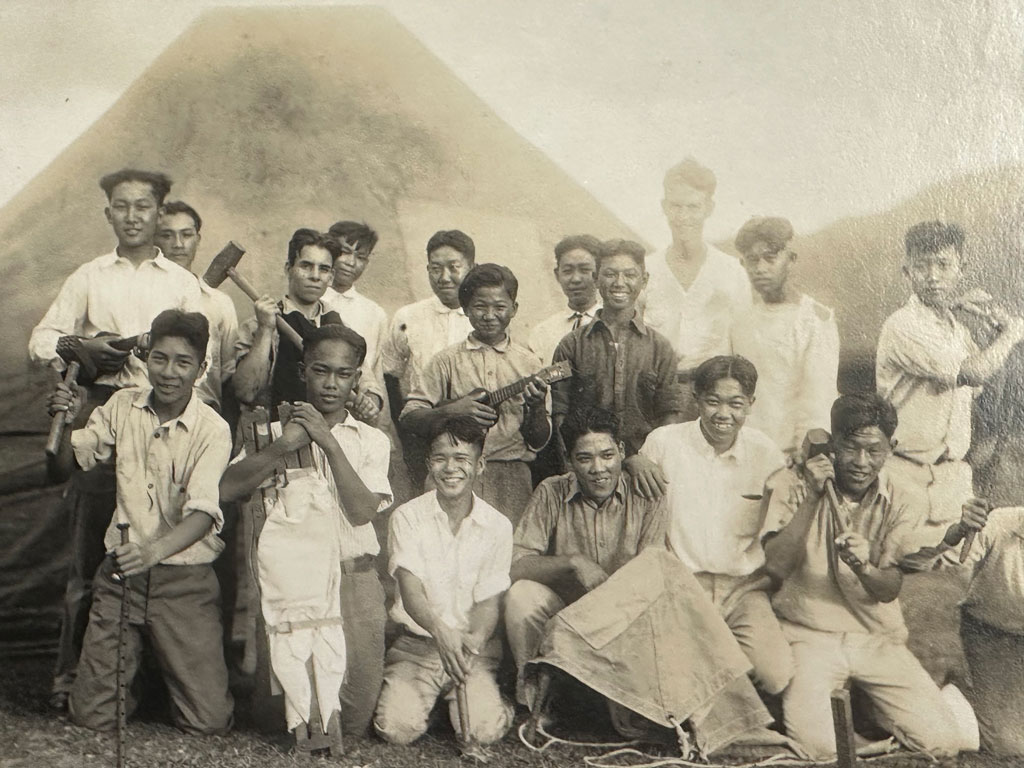
Long before a permanent site existed at Mokulē‘ia, the YMCA of Honolulu was already introducing the concept of camping to Hawai‘i. In the early 1900s, YMCA of Honolulu Physical Director Fred Young led boys on hiking and camping trips across O‘ahu and Hawai‘i Island.
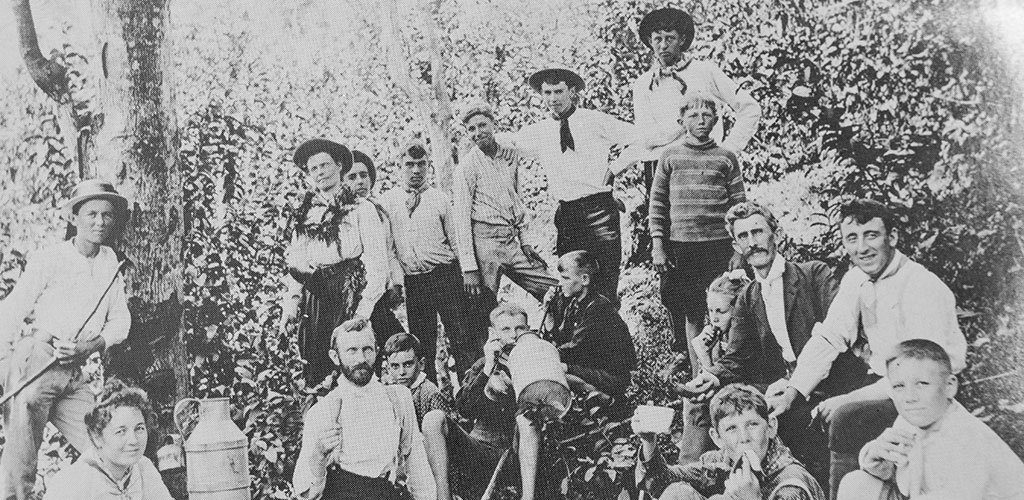
Early outings were held at Kapi‘olani Park’s polo field.
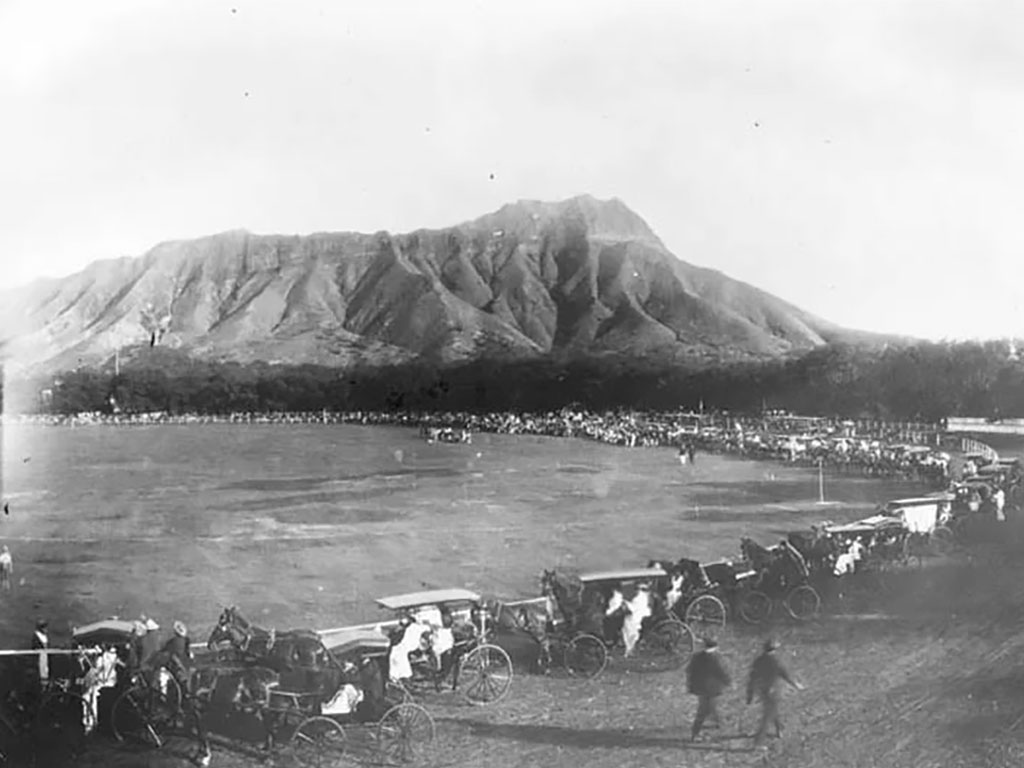
By 1903, camps were held in Wahiawā, and in 1905 in Mākua — where they traveled by 80-cent fares on the O‘ahu Railway.
The first official YMCA camp season began in 1908 at Camp Mākua, with rates starting at $8 a week. Throughout the 1910s and 1920s, the YMCA of Honolulu hosted camps at various borrowed sites, building traditions and spirit that would one day take root permanently at Mokulē‘ia.
That began to take shape in 1926, when Walter F. Dillingham leased a 10-acre shoreline site to the YMCA for one dollar a year so youth could experience camping and the outdoors, with one condition: campers would plant 1,000 ironwood trees annually as a windbreak for the rail line. Many of those trees still stand today, serving as living witnesses to the labor and laughter of generations.
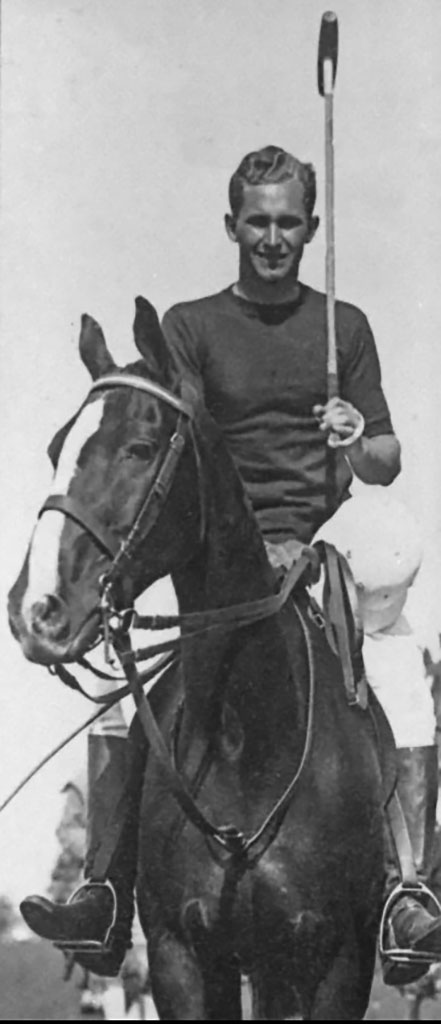
Tragedy also shaped the camp’s legacy when Harold Randolph Erdman — Walter Dillingham’s nephew — tragically died in a polo accident.
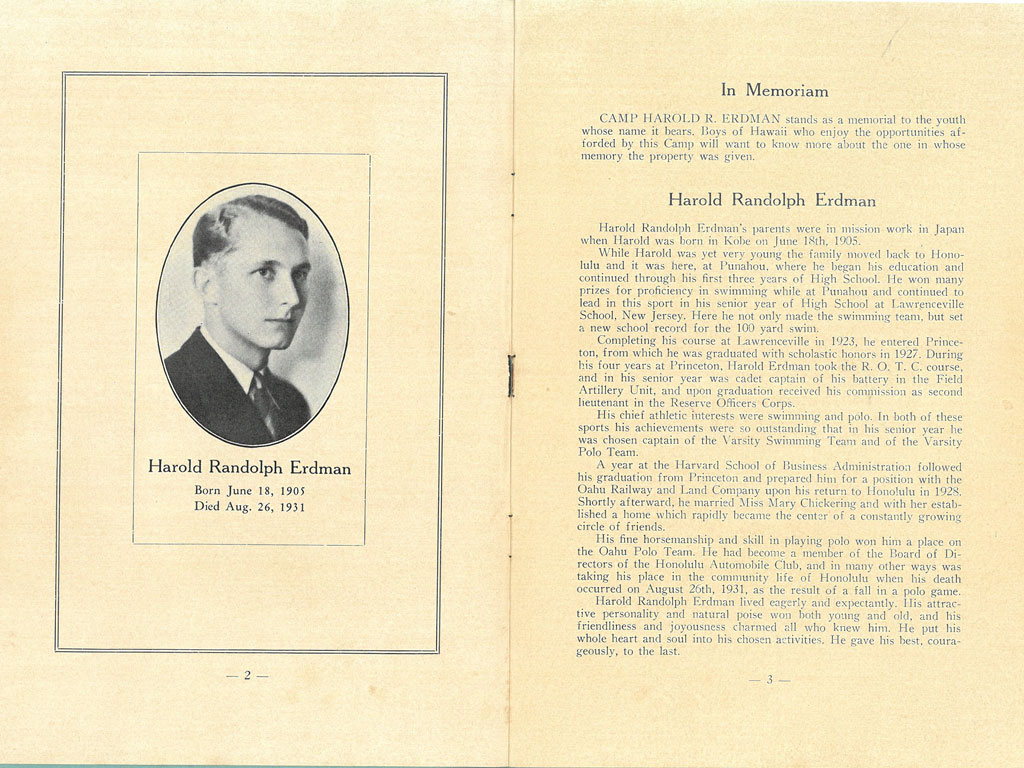
On Christmas Day in 1932, the Dillingham family gifted the site to the YMCA in Harold’s memory so that “his spirit of contribution to the happiness of others carries on.” Two months later, Camp Harold R. Erdman was formally dedicated before a crowd of 200 including local leaders, Rotary members, and ʻohana. Born of generosity and remembrance, the Dillingham family’s gift would go on to shape tens of thousands of lives.
Enduring Through Wartime — and Rebuilding
Camp Erdman’s history mirrors Hawai‘i’s own. After the December 7, 1941 attack on Pearl Harbor, the U.S. military assumed control of strategic areas across O‘ahu — including Camp Erdman. Army Engineers moved in, youth camping programs were suspended, and bunkers and pillboxes rose along the shoreline as part of the island’s coastal defenses.
The camp was later used as a rest and recreation retreat for Navy officers. With no master plans or blueprints, Navy personnel built cabins and installed water lines to adapt the site for wartime needs.
When the war ended and Camp Erdman was returned to the YMCA in spring 1946, island families were eager for connection after years of uncertainty. Camping resumed in record numbers, ushering in a new era of growth.
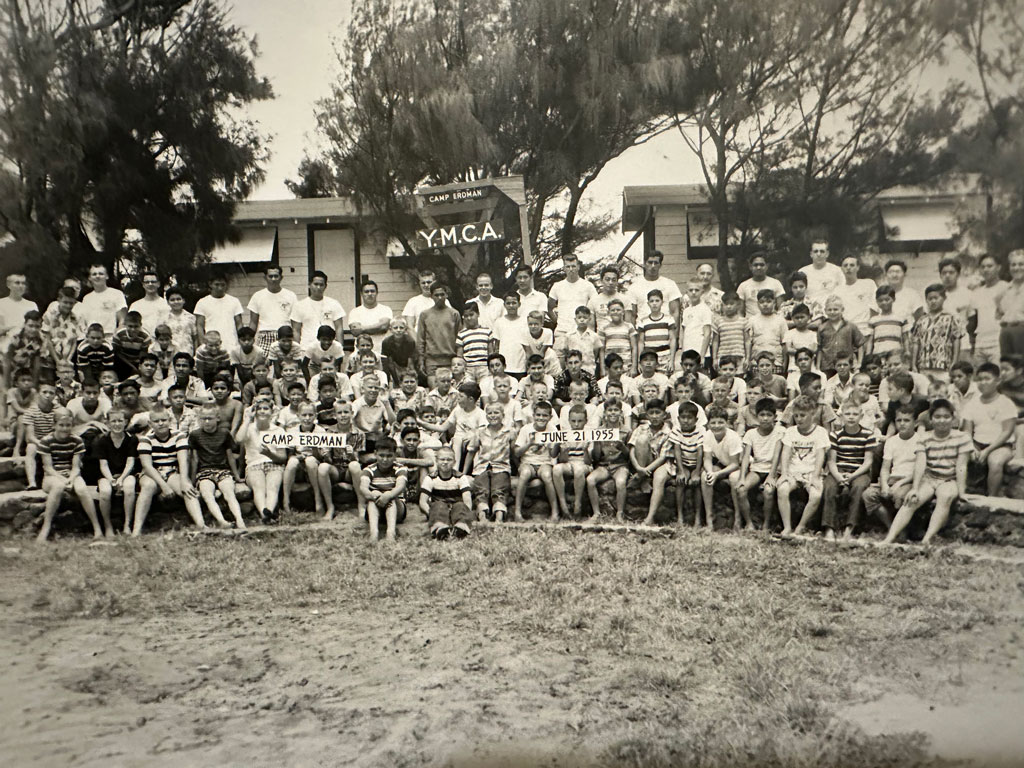
A Place for Every Child
In the decades that followed, Camp Erdman expanded not just in size, but in heart. Summer programs welcomed children from every YMCA branch for immersive weeklong experiences, the Raggers Program guided teens through personal growth with symbolic kerchiefs, and University of Hawai‘i Frosh Camps became a rite of passage for incoming students, building friendships and confidence.
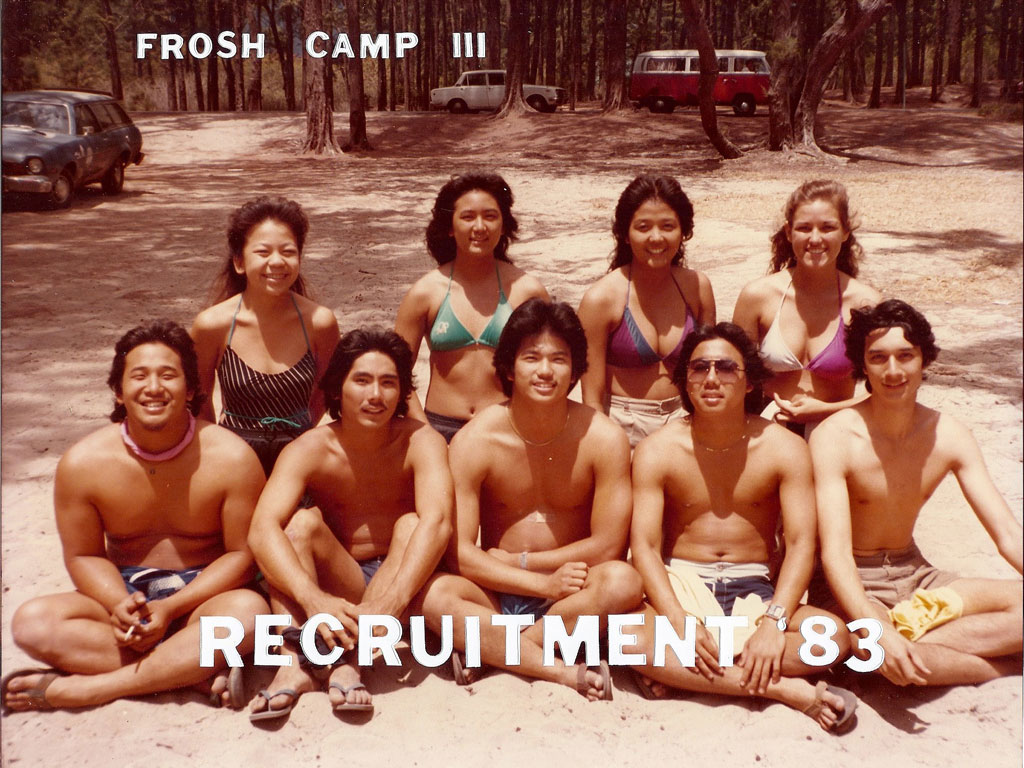
In 1967, the YMCA launched the Camping and Outdoor Education Program for 4th, 5th, and 6th graders at local public schools. Participation surged from 300 students to nearly 9,500 in just one year, prompting the construction of new lodges and cabins.
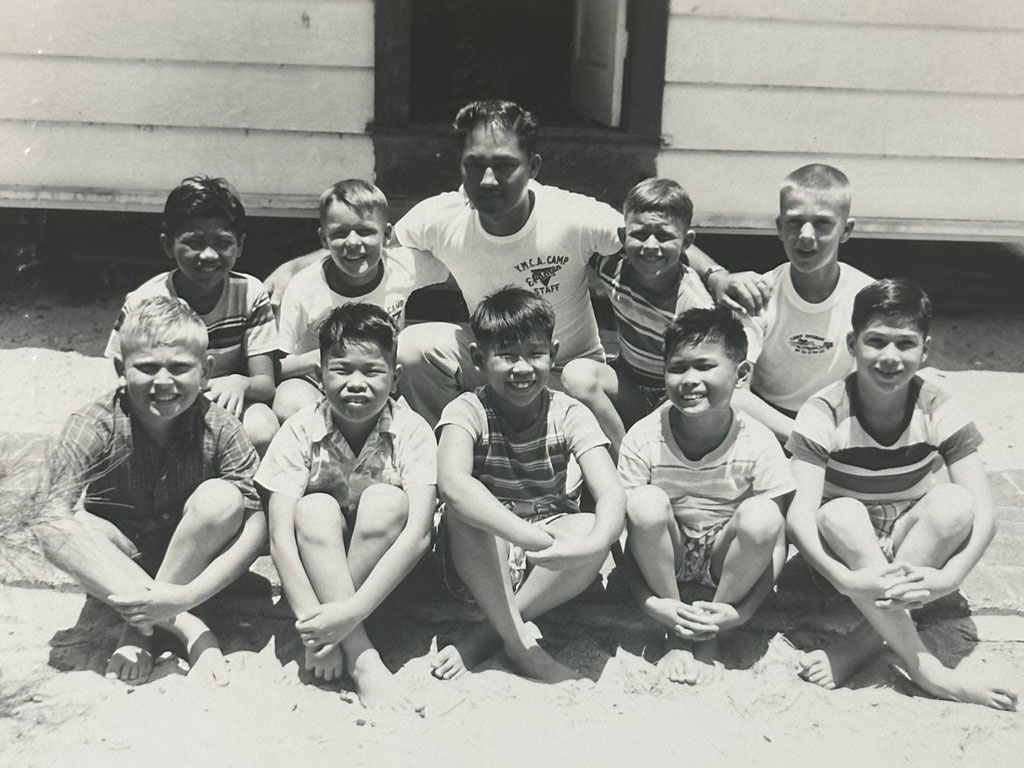
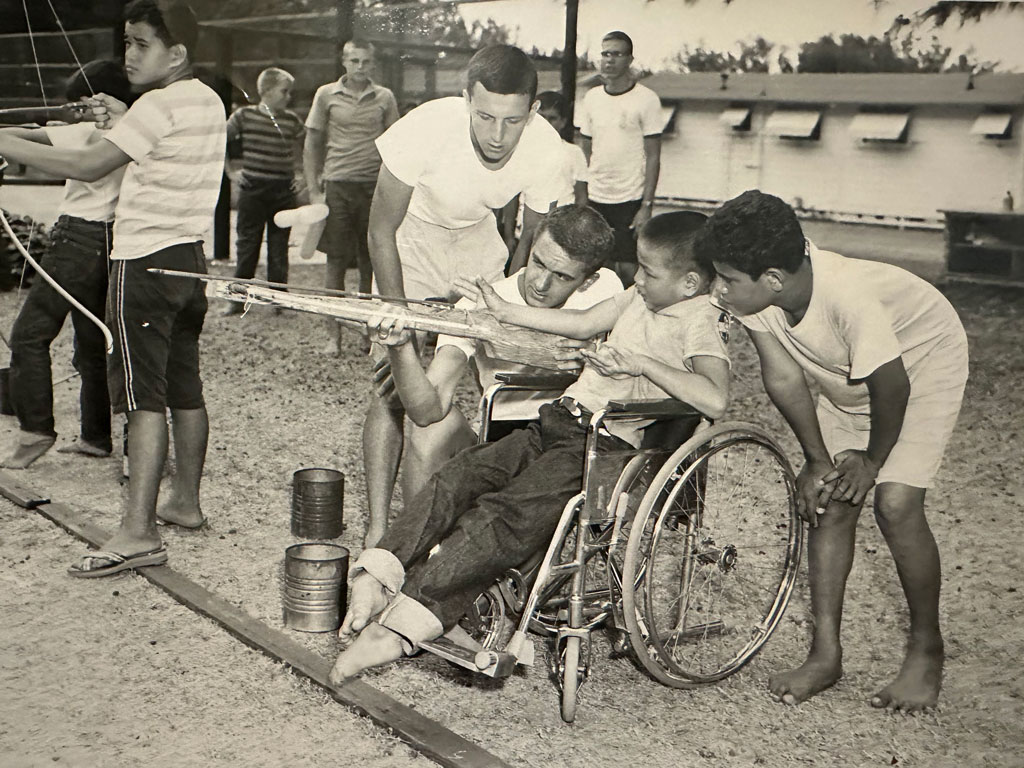
Specialized camps followed, welcoming children who were blind, deaf, diabetic, physically challenged, or otherwise underserved — ensuring that camp was not a privilege for a few, but a place for all.
In 2006, with support from Senator Daniel Inouye, the Alpine Tower Climb and Odyssey high ropes course were constructed. Today, the tower serves as both a landmark and a symbol — a place where campers step beyond their comfort zones, learn to trust one another, and see their full potential.
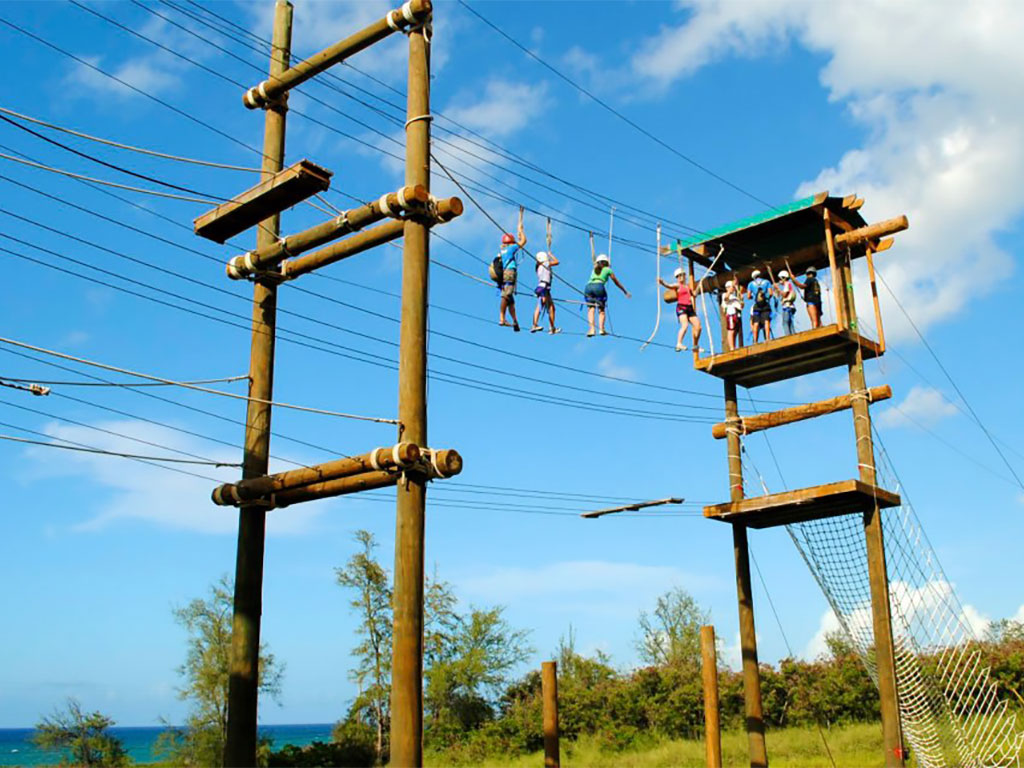
Specialty programs have continued to evolve. The Mighty Ducks track blends themed fun, teamwork, and confidence-building. Camp Agape, a four-day Christian retreat for children of incarcerated parents and youth facing difficult circumstances, offers a space rooted in unconditional love, belonging, and hope. In 2007, YMCA World Camp brought together 90 teens from 25 countries for two weeks of cultural exchange and leadership development — proving that friendship can cross borders, languages, and conflict.
Together, these programs reflect Camp Erdman’s enduring mission: to build understanding, character, and connection — locally and globally.
Timeless Values, Lasting Connections
Over the past century, generations of youth, families, and people of all ages have discovered the wonder of Camp Erdman, building confidence, lasting memories, and lifelong friendships. Today, Camp Erdman continues to welcome participants through camps, retreats, and cultural and environmental programs that connect them to the ʻāina and to Camp Erdman’s Hawaiian values: ʻImi ʻIke (pursuit of knowledge), Mālama (to care for), Aloha (love and welcoming), Kuleana (responsibility), Naʻau Pono (doing what is right), and Laulima (many hands working together).
“Camp Erdman has been a place where generations of families build confidence, friendships, and lifelong memories,” said Walter Thoemmes, President & CEO of the YMCA of Honolulu. “As we celebrate 100 years, we honor the legacy of this camp and the countless experiences — from climbing the Alpine Tower, trying archery for the first time — that have shaped the lives of so many children and families over generations.”
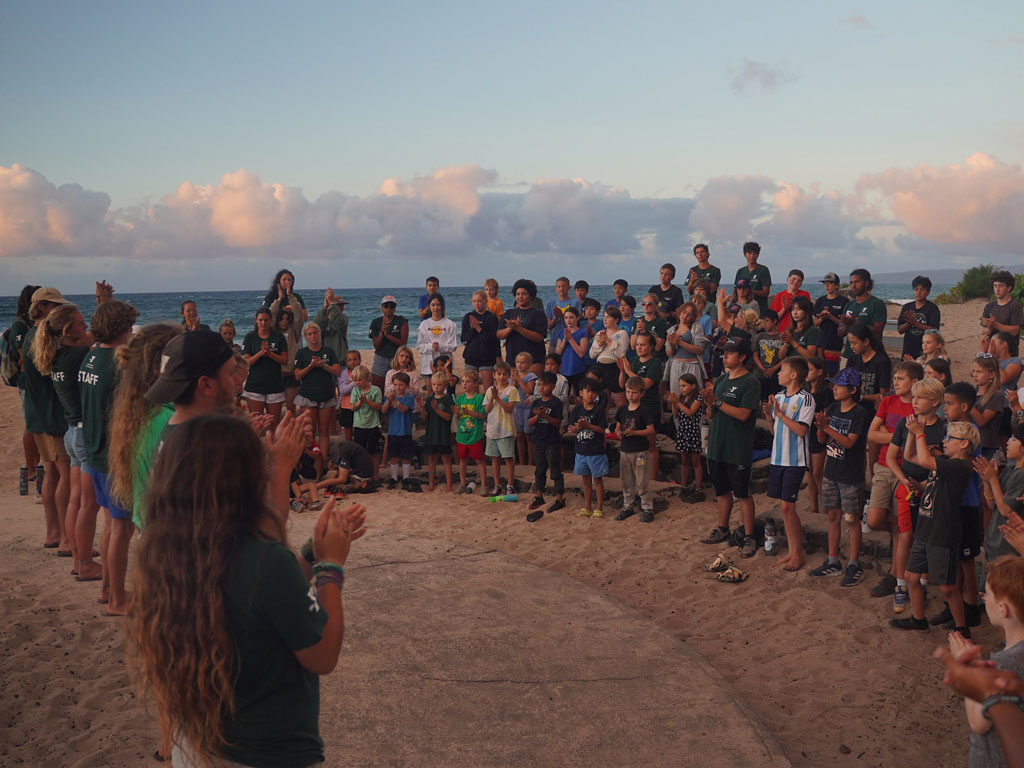
What has kept families returning year after year isn’t just the archery range or the Alpine Tower — it’s the sense of belonging. It’s the small, brave moments: climbing higher than you thought you could, introducing yourself to a new cabinmate for the first time, singing just a little louder around a raging campfire. It’s the mentorship of counselors who model care, responsibility, and teamwork.
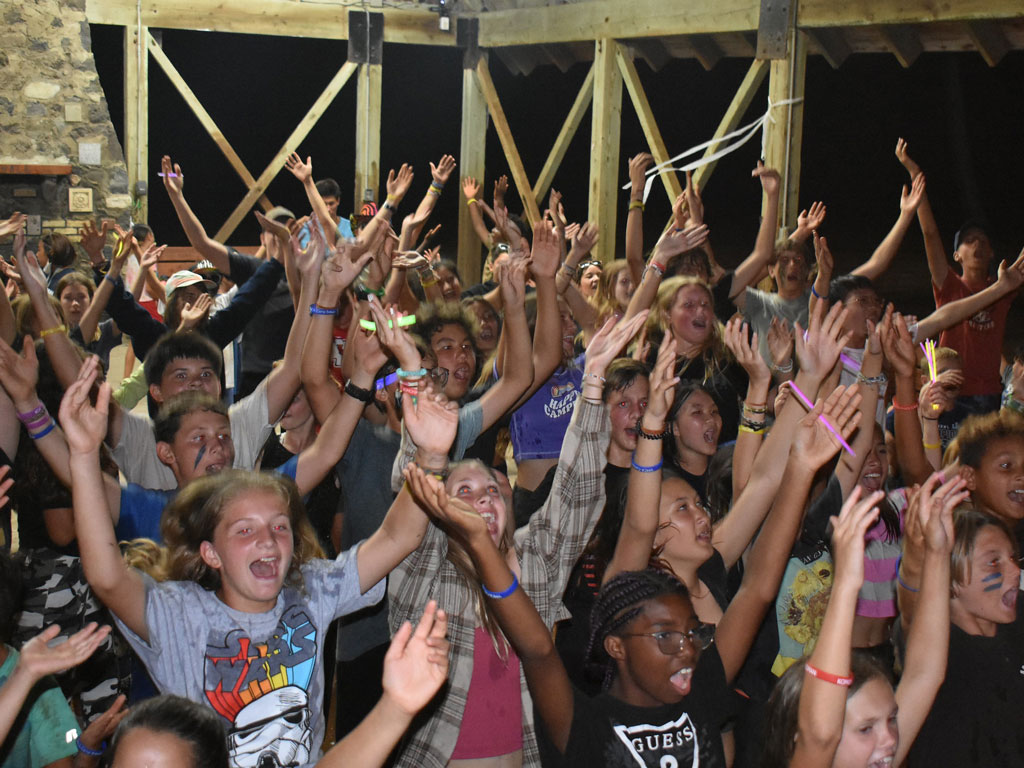
Rooted in a century of service and strengthened by community support, Camp Erdman remains a place where keiki can explore the outdoors, discover who they are, and grow into who they are meant to be.
One hundred years after campers first planted ironwood trees along the rail line, those same trees still stand along the Mokulē‘ia shoreline — a living reminder that what we nurture today will shelter generations tomorrow.
This summer, as families across Hawai‘i look for meaningful ways to keep their children active, connected, and inspired, Camp H.R. Erdman stands ready — just as it has for a century — to welcome the next generation of campers home. Learn more about YMCA of Honolulu Camp H.R. Erdman’s programs.