by Sarah Lyons
Kids who have well developed leadership skills are more confident, responsible, and push themselves to their full potential. Leadership helps them develop better and more creative coping skills when it comes to problem solving and project management. The art of compromise, empathy, and good decision making skills, things most parents strive to teach their children, are also important benefits of having well developed leadership skills. For some children, leadership comes naturally and for others it must be developed and encouraged over time. Either way, parents can help develop their child’s leadership qualities so that when they are ready to attend college and enter the workforce, leading others and knowing when to follow someone else’s lead are already second nature.
Set an Example
Parents can help their kids develop good leadership by showing them what a good leader looks like on a daily basis. When you lead others, including your own children, try to be optimistic, a good listener, treat people fairly, and do the right thing. Your kids will learn these skills simply by modeling your good example.

Set Them Up for Success
Kids who are successful at the things they try are more confident and are more willing to get out of their comfort zone and help others in the future. You can do this by encouraging them to try activities where they have natural strengths and talent or assist them in projects just enough to help them succeed while still allowing them the majority of the decision and work the project entails.
Build Communication Skills
Listening and good communication are keys to making a leader successful and well liked by peers. Encourage your child to put their communication skills into practice by developing listening skills, public speaking, and expressing their frustrations in a healthy way. Parents can do this by asking your child to order their own food at a restaurant, encouraging them to approach coaches or teachers themselves when there is a problem, and teaching them to ask questions after listening to a friend talking.

Be a Team Player
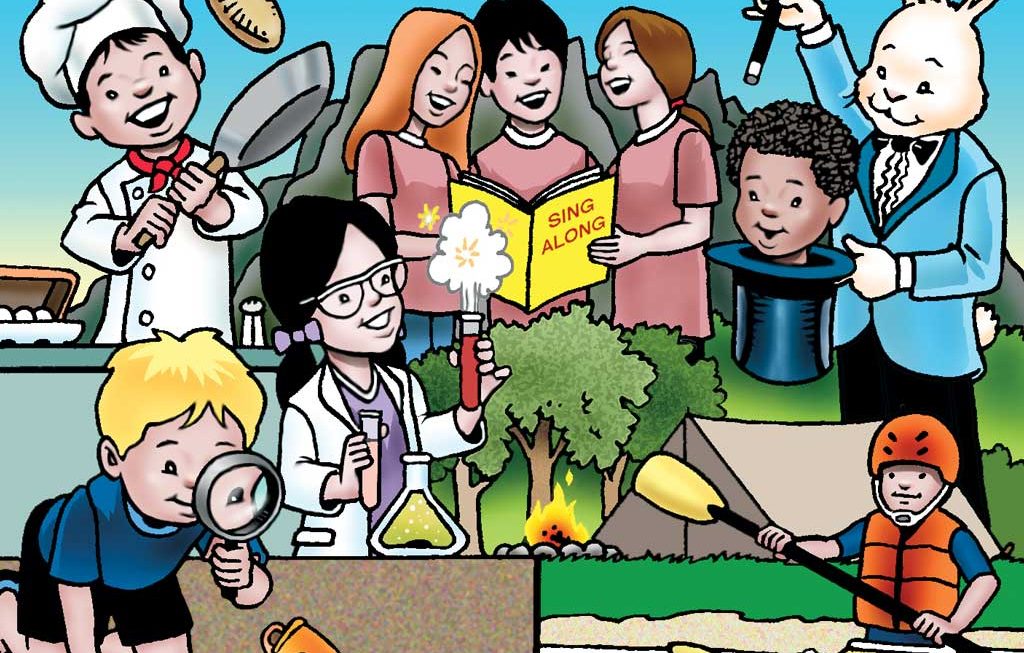
School projects, team sports, clubs, or being a part of a band, orchestra, or choir helps kids understand how to work towards a goal as a group. These experiences help your child understand how to be a good leader and when to listen to others and why both are equally important.
Encourage Lifelong Skills
Integrity, empathy, work ethic, respect, negotiation, and compromise are great skills for any leader, as well as, any student, employee, or friend. You can encourage these skills by setting a good example and talking through situations where they were or were not utilized well. Ask your child how they would have handled this differently and why. Praise them when they have done a good job using these skills and encourage them when needed.
Show Them the Value of Diversity
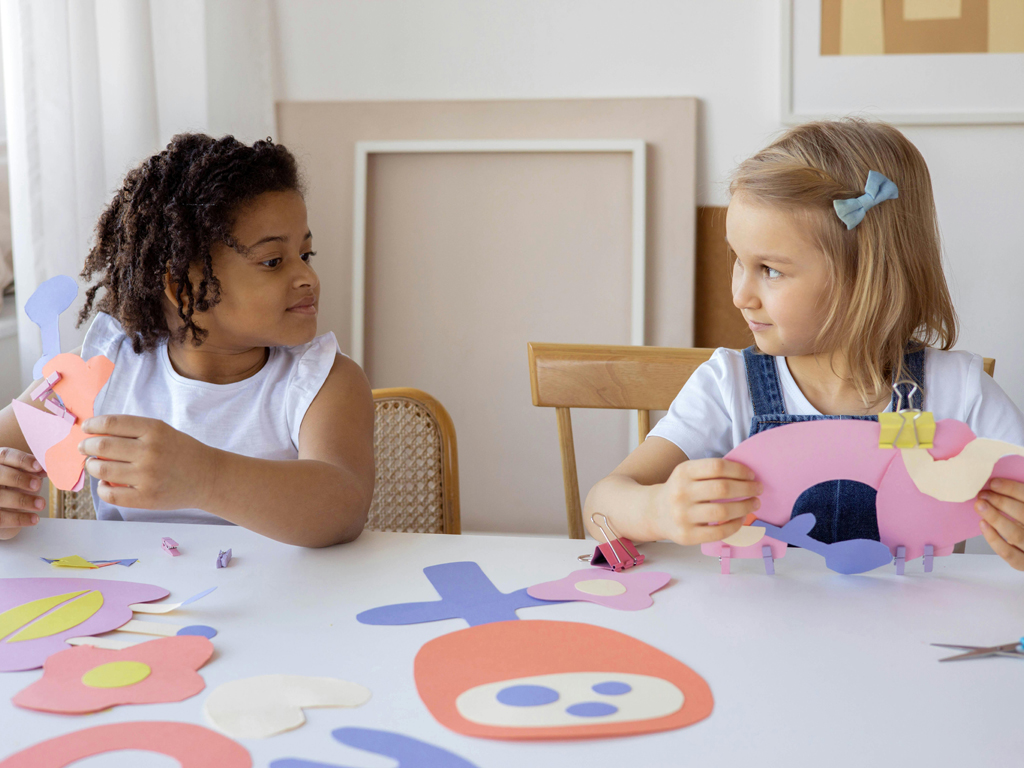
There is great value in diversity. Everyone has different backgrounds, experiences, and gifts. Encourage your kids to learn about other cultures and experiences and that differences are what make us a stronger team. They can learn to stand up to those who are singled out or viewed as different from others. This is what makes a great leader.
Ask for Help
Kids who know when to problem solve and when to ask for guidance are better teammates and stronger leaders. It’s also important to offer help to others in the group who may be struggling. Lead by example and be encouraging and helpful when needed.
Develop Good Work Habits
Kids who have responsibilities at a young age are better prepared to lead others. Encourage your child to get a part time job at a young age or pick up jobs like yard work, babysitting, or volunteer work so they can build their leadership skills, develop their work ethic, and get experience in a variety of areas.
Time Management
When your child has a large project to complete, encourage them to map out their plan for getting it done on-time. Create steps and set goals to accomplish to meet the deadline. Good project management skills will serve them well as a leader and an employee in the future.
As your child develops strong leadership skills, it’s important to understand that they will not always be the person in charge. Having good leadership skills doesn’t mean you are always the one who is leading. Being respectful and willing to listen to others and compromise while not officially being the person who is “in charge” of the group is still a way to lead others. Whether your child is a natural leader or a great teammate, these leadership skills will serve them well in the future.