by Sarah Lyons
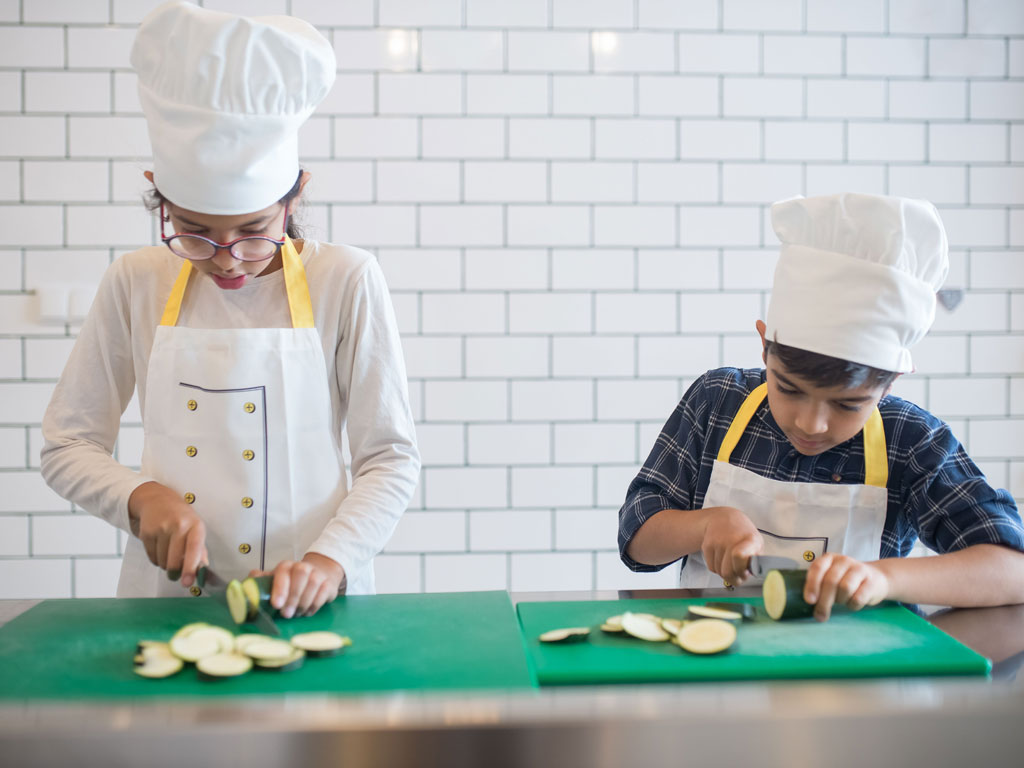
Cooking can often feel like a dreaded daily chore, but getting children involved in meal prep can bring fun and creativity back to the kitchen for both parents and kids. While it may take a little extra time and patience, teaching children to cook at a young age can encourage healthy eating habits, help reduce picky eating, and instill a sense of responsibility. Here are creative strategies to get your kids cooking.
Build Your Own Meals
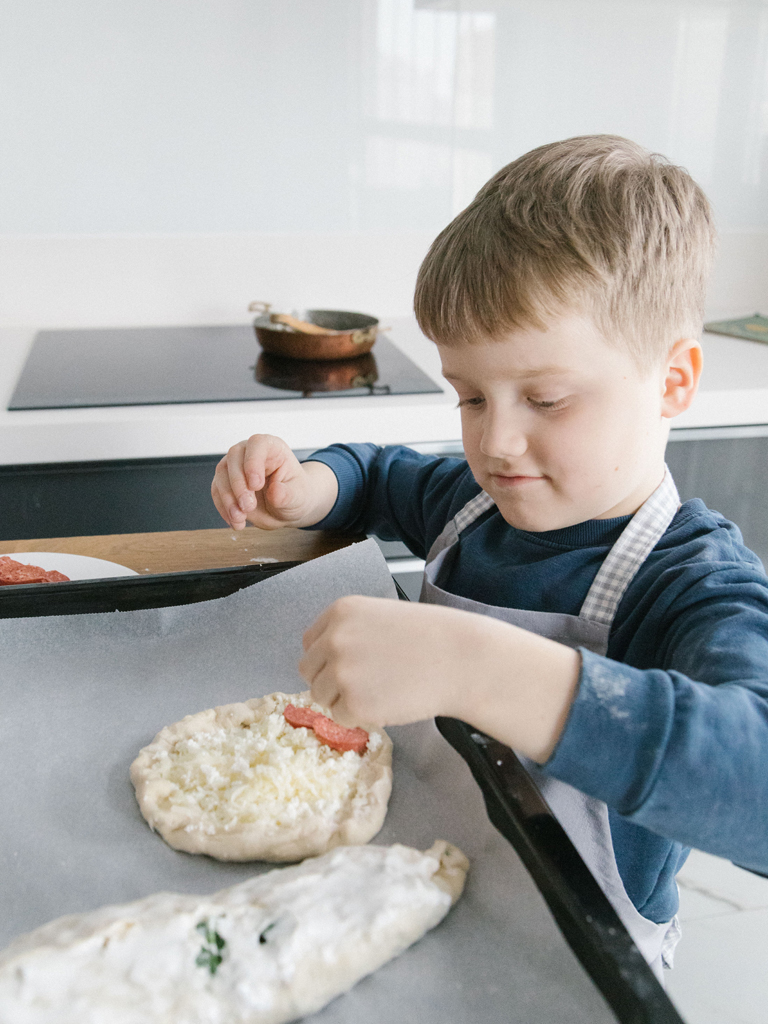
One of the easiest ways to involve children in the kitchen is by giving them the freedom to make their own food choices. Try serving a taco, baked potato, or personal pizza bar for dinner, offering a variety of colorful toppings that allow kids to assemble their own plates. Local island-style favorites work wonderfully for this too—set out a custom poke bowl bar starting with bases like warm white rice, brown rice, or fresh greens. Offer a selection of proteins like cubed ahi tuna, salmon, cooked octopus (tako), cooked shrimp, or tofu, alongside a rainbow of toppings like edamame, shredded carrots, avocado, seaweed salad, cucumber, furikake, and a drizzle of unagi sauce. You can also try a saimin bar with warm broth, noodles, green onions, kamaboko, and char siu. This interactive approach works exceptionally well for toddlers who are not quite ready for advanced cooking tasks but still want to participate. Making personalized pancakes or omelets also gives children a chance to sample new fruits and vegetables while expressing their culinary creativity.
Grow Your Own Ingredients
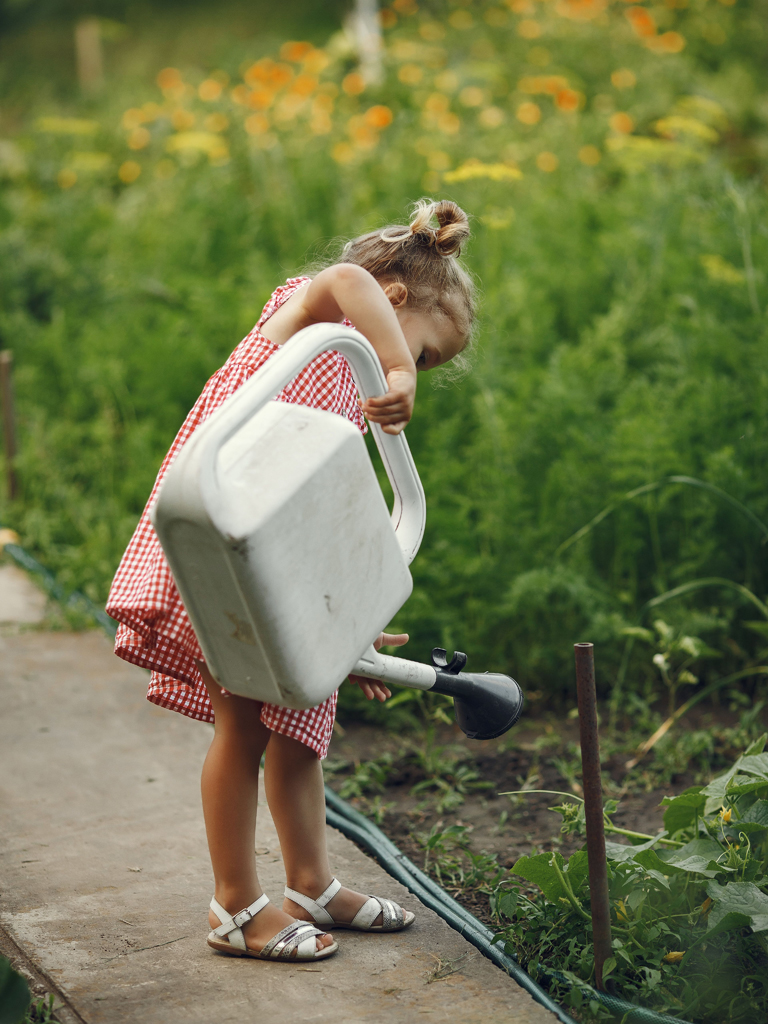
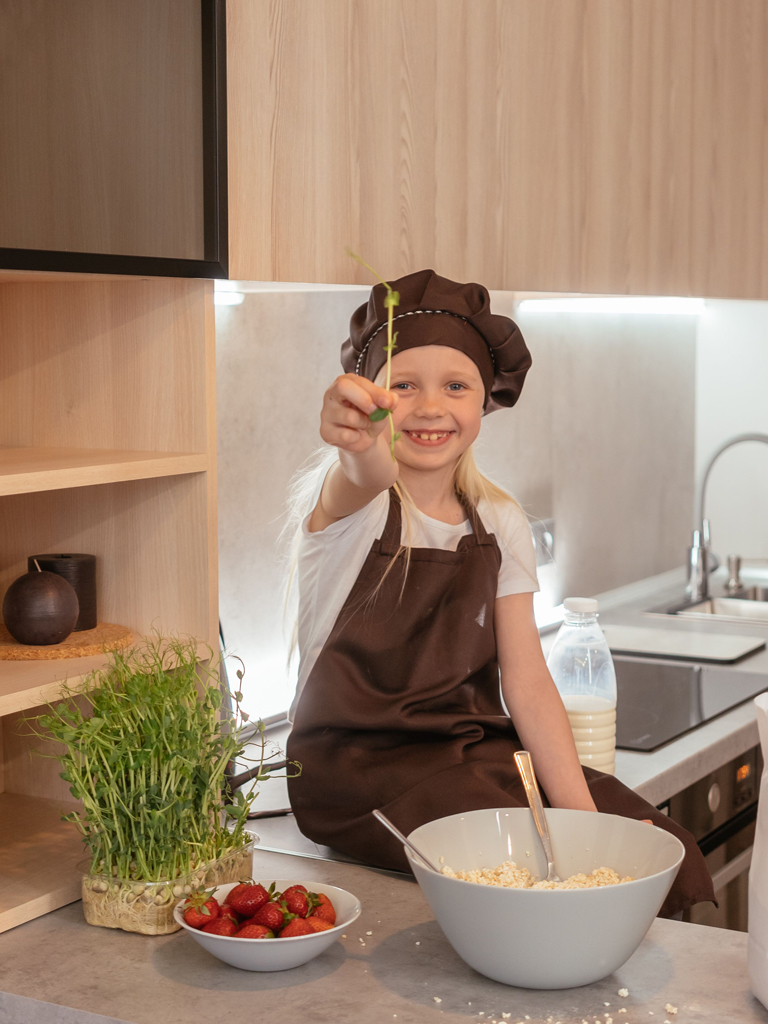
What better way to teach children about the journey of food than by planting a garden together? Allow kids to brainstorm what fruits, vegetables, or herbs your family would like to grow, then let them help with planting, watering, and harvesting. Tropical backyard favorites like papaya, dragon fruit, lilikoi, calamansi, and Hawaiian chili peppers can grow well in Hawaii’s climate. If backyard space is limited, container gardening on a patio, lanai, or deck works just as well for growing cherry tomatoes, green onions, lemongrass, or fresh basil. Once the crops are ready, children can help plan meals featuring their homegrown produce, making them much more eager to sample vegetables and fruits they grew themselves. Caring for living plants also teaches daily responsibility and routine, while watching a seed transform into a harvest builds pride and makes healthy eating feel like a personal achievement rather than a rule.
Turn Cooking Into a Science Experiment
Cooking provides a hands-on way to teach children about science and chemistry. These activities can teach critical thinking, cause-and-effect reasoning, and the scientific method through trial and error. While baking requires precise measurements for recipes to turn out correctly, savory dishes like soups, casseroles, and salads leave room for experimentation. Encourage older children, with supervision, to adjust flavors and ask questions: Does this dish need a pinch of salt or pepper? A squeeze of lemon? A sprinkle of herbs? You can also spark their curiosity by explaining the science behind key ingredients, such as how baking powder helps baked goods rise or why yeast makes dough expand.
Focus on Creative Presentation
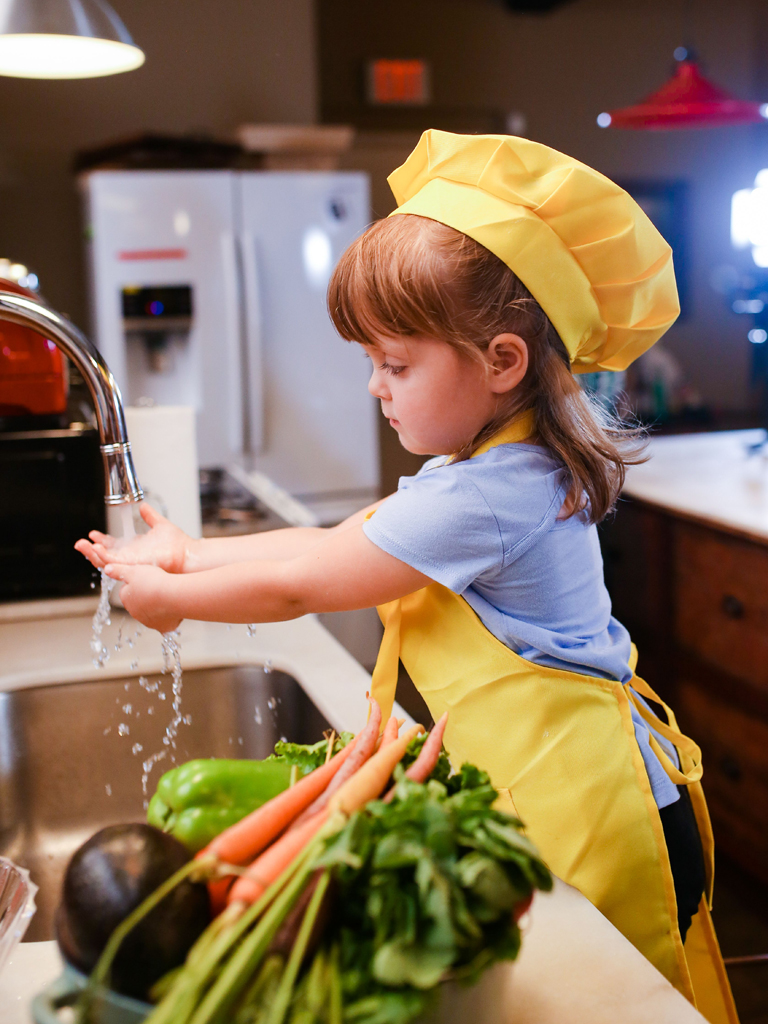
Children who enjoy visual arts may love the presentation side of dining just as much as the cooking itself. Kids can express their creativity in the kitchen without even touching a stove by setting a beautiful table, arranging a fun centerpiece, or plating food so that it looks as appetizing as it tastes. Transforming a simple meal into an aesthetically pleasing dining experience turns dinner into a creative art project.
For instance, children can use cookie cutters to punch sandwiches, melons, and cheese slices into stars or hearts, or thread colorful fruit onto bamboo skewers to build edible wands. They can slice boiled eggs in half to look like boats, create palm trees out of banana slices and kiwi, or construct personal bento boxes by arranging ingredients by color into divided trays. Beyond the food itself, kids can roll cloth napkins into decorative scrolls tied with ribbon, or make handwritten placemats using chalk or markers.
Make It a Friendly Competition
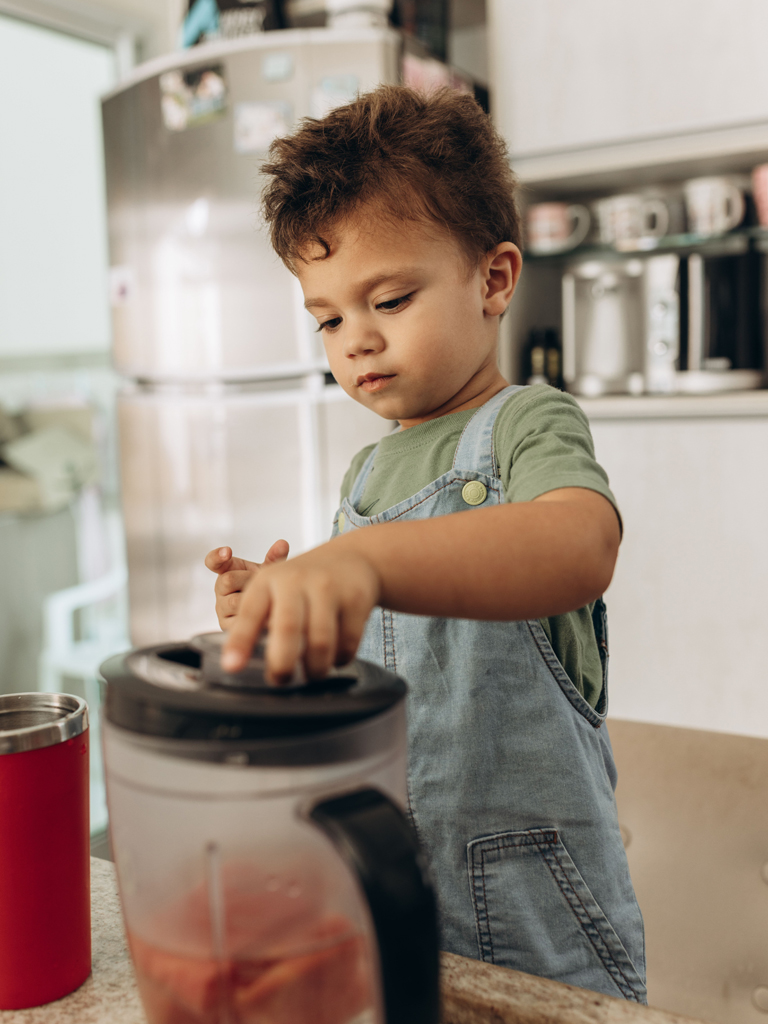
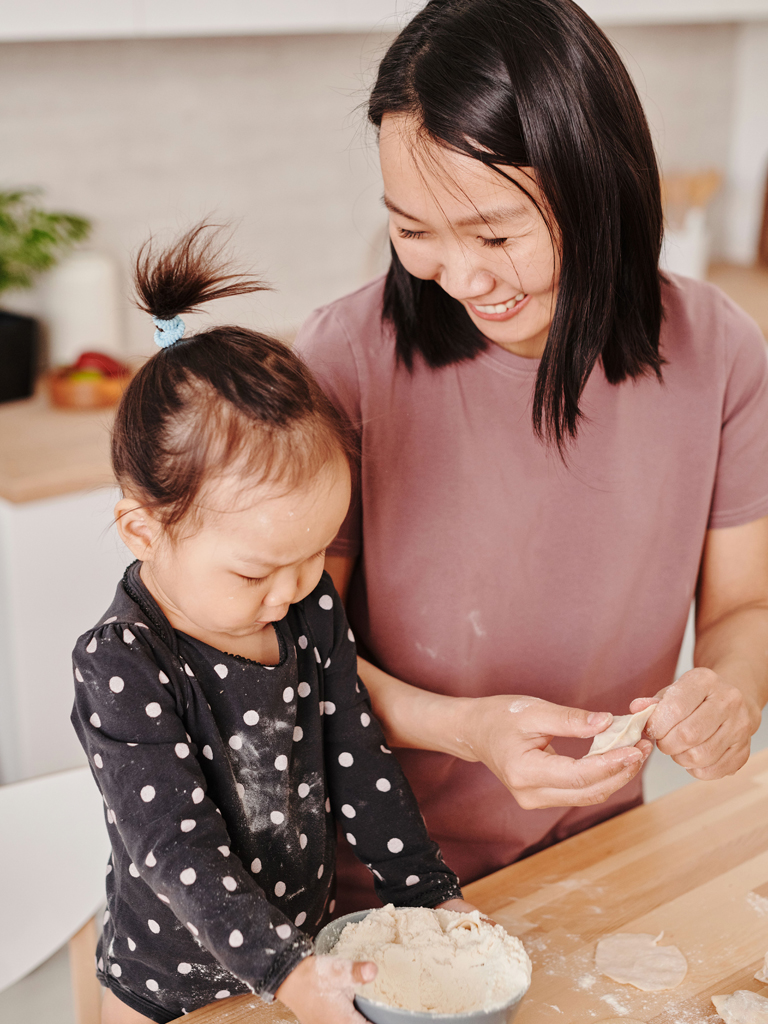
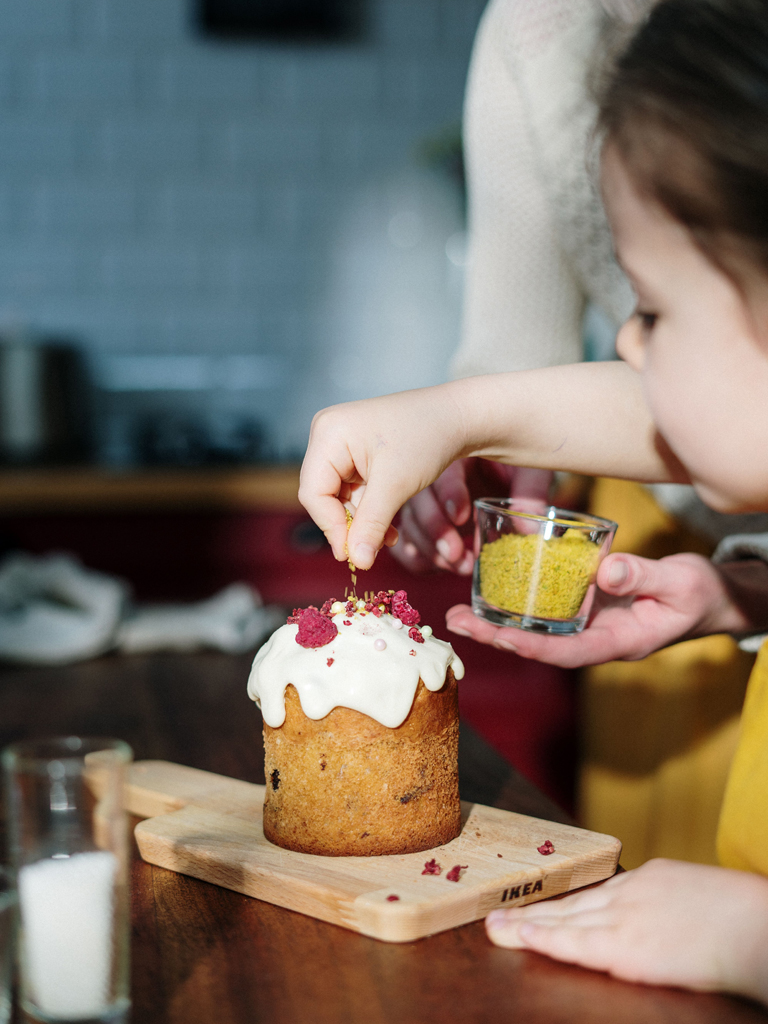
Many kids love friendly games and enjoy watching cooking shows. You can bring that excitement into your home by hosting a family cooking challenge. Choose a theme—such as a cookie-decorating contest, a mini-appetizer challenge, or a custom smoothie contest—and let your kids create their own recipes. To make it even more engaging, set fun rules, such as requiring specific secret ingredients or limiting certain items.
Involve Kids in Menu Planning
When children feel included in deciding what is served, they are far more likely to enjoy the meal. Inviting kids to help plan the weekly family menu gives parents a great opportunity to teach them about balanced nutrition, fresh ingredients, and the family grocery budget. Older children can even take ownership of cooking one meal a week. To complete the process, bring them along to the grocery store to select ingredients and help prep the meal from start to finish.
Creating a welcoming environment in the kitchen can help children become more self-sufficient, expand their palates, and develop healthy eating habits that last. Most importantly, cooking together offers a meaningful way for families to connect, create memories, and share quality time.