

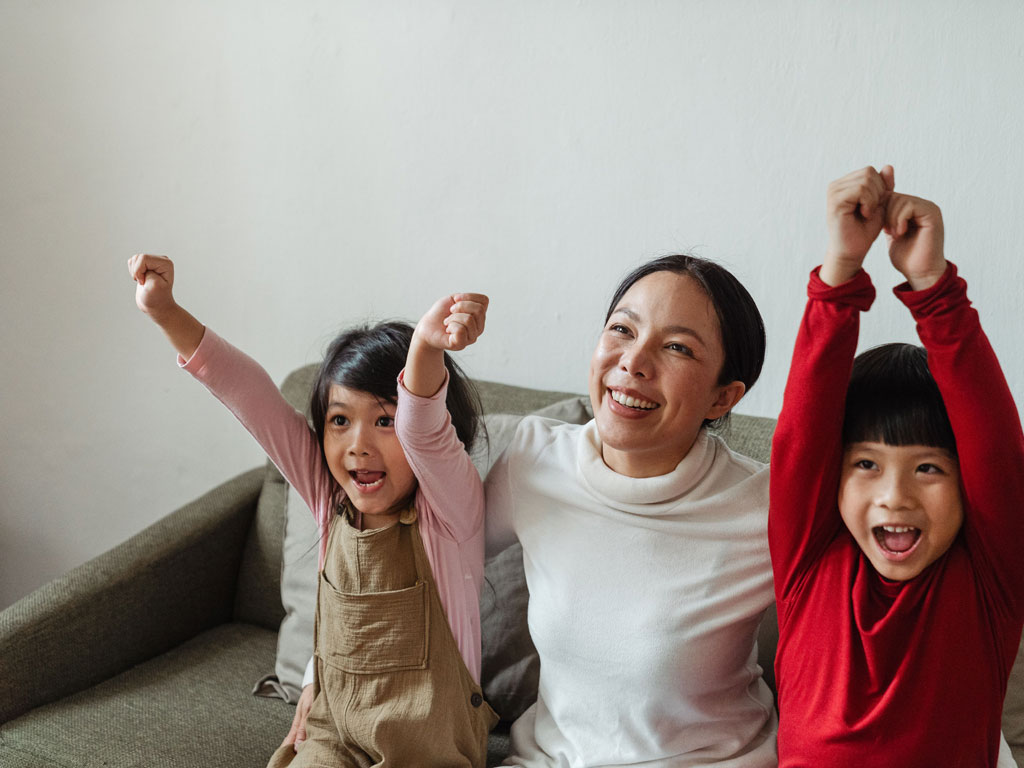
by Sana Jafri, Founder and CEO
I once went to a dinner party and introduced myself as a mom of three. The woman I was talking to laughed and asked me my name.
I also laughed it off in the moment, but it stuck with me later. I had a name. I had answered a simple question with my job title, except it wasn’t even a job title; it was just the role that had quietly taken over every other way I used to describe myself.
Somewhere around week two of parenthood, most of us get a new name. Not a nickname—a role. Mom. Dad. Caregiver. And somewhere in the chaos of feedings and laundry and never quite finishing a sentence, it’s easy to let that role quietly replace everything else you used to be.
Nobody tells you this part out loud, but it happens to almost everyone: you stop introducing yourself as a person with interests and start introducing yourself as someone’s parent. And it’s not that being a parent isn’t a real, enormous, worthy identity—it is. The problem is when it becomes the only one.

The Identity You Don’t Choose to Lose
Identity isn’t something that vanishes the moment a baby arrives. It gets buried, one decision at a time, under things that all feel urgent and none of which feel optional. You skip the workout because someone’s teething. You cancel coffee with a friend because there’s no one to watch the baby. You stop reading the book on your nightstand because by the time everyone’s asleep, you are too.
None of these are dramatic losses on their own. But stack enough of them up over months, and you look up one day and realize you can’t remember the last time you did something that was just for you—not for the family, not for the baby, just for the person you were before any of this started.
This is where a lot of parents quietly start to struggle, and it rarely gets talked about with the honesty it deserves. Losing your sense of self isn’t a personal failing. It’s what happens by default when every hour of your day is already spoken for by someone smaller and louder than you.
Why Holding onto Yourself Actually Helps Your Family
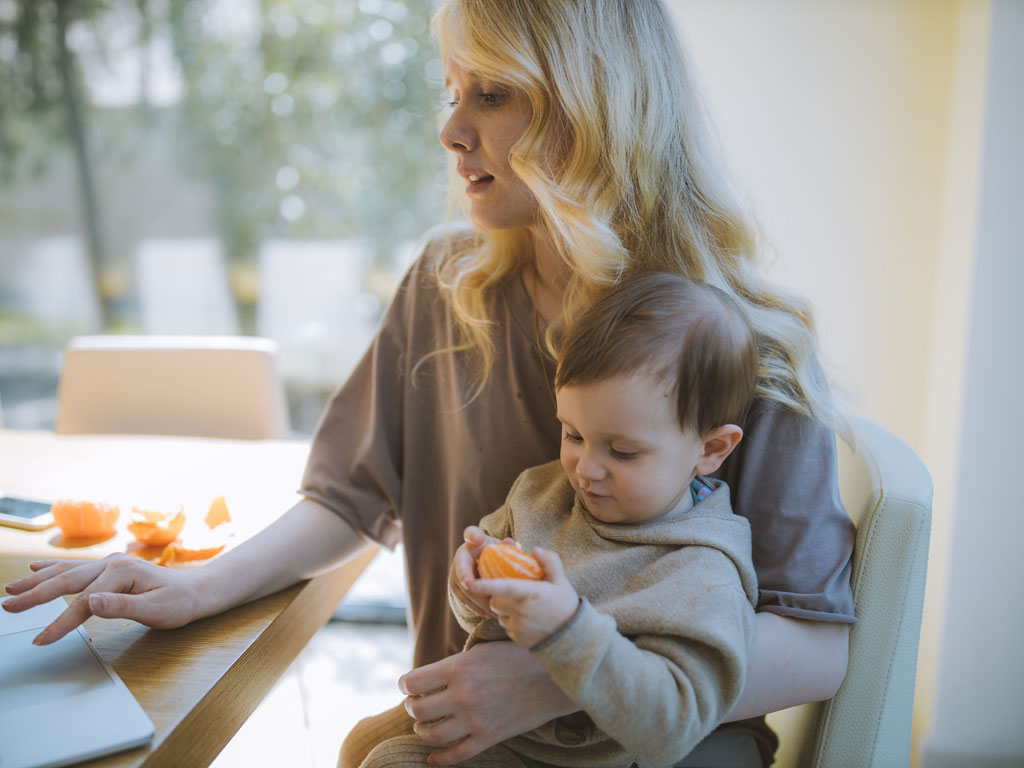
I had to learn this the hard way for myself. Here’s the part that gets missed: keeping some thread of your own identity alive isn’t selfish; it’s structural. A parent who’s completely erased themselves doesn’t have much left to give—not patience, not presence, not joy. Kids don’t need a parent who’s disappeared into the role. They need one who’s still there, as a whole person, even while doing the hardest job of their life.
That doesn’t require some elaborate self-care routine or a weekend retreat you don’t have time for. It’s smaller than that. It’s the ten minutes with the book back on the nightstand. It’s the one text back to a friend instead of letting the group chat go silent for another month. It’s remembering that “who am I” and “whose parent am I” can be the same sentence, not competing ones.

Finding Your Way Back to Yourself
This is where simplicity earns its place—not as a design trend, but as a practical way to reclaim a little bit of yourself. Every extra decision, every extra object, every extra thing you have to manage on behalf of your kid is time and attention that isn’t going toward you. Decision fatigue doesn’t just wear you down—it’s actively competing with the parts of your day that could belong to the person you still are underneath all of it.
Simplifying where you can isn’t going to magically hand you your identity back; nothing does that on its own. But every decision you don’t have to make, every bag you don’t have to overpack, and every unnecessary item you leave behind is a little bit of your attention returned to you. And what you do with that attention is up to you—a phone call, a walk, five quiet minutes with a book you haven’t touched in months.
If you’re like me, reclaiming yourself doesn’t always look like slowing down, either. For some of us, that thread of identity was never about quiet time—it was about movement. The hiker who used to disappear for a weekend. The traveler who measured a good year in stamps on a passport. Kids don’t have to end that story, but they do force you to pack differently, and to notice, somewhere around hour four of a hike, how much you’re carrying that has nothing to do with the trail. The traveler who used to move light didn’t disappear when the diaper bag showed up. They just needed gear that could keep up with them, rather than weigh them down.
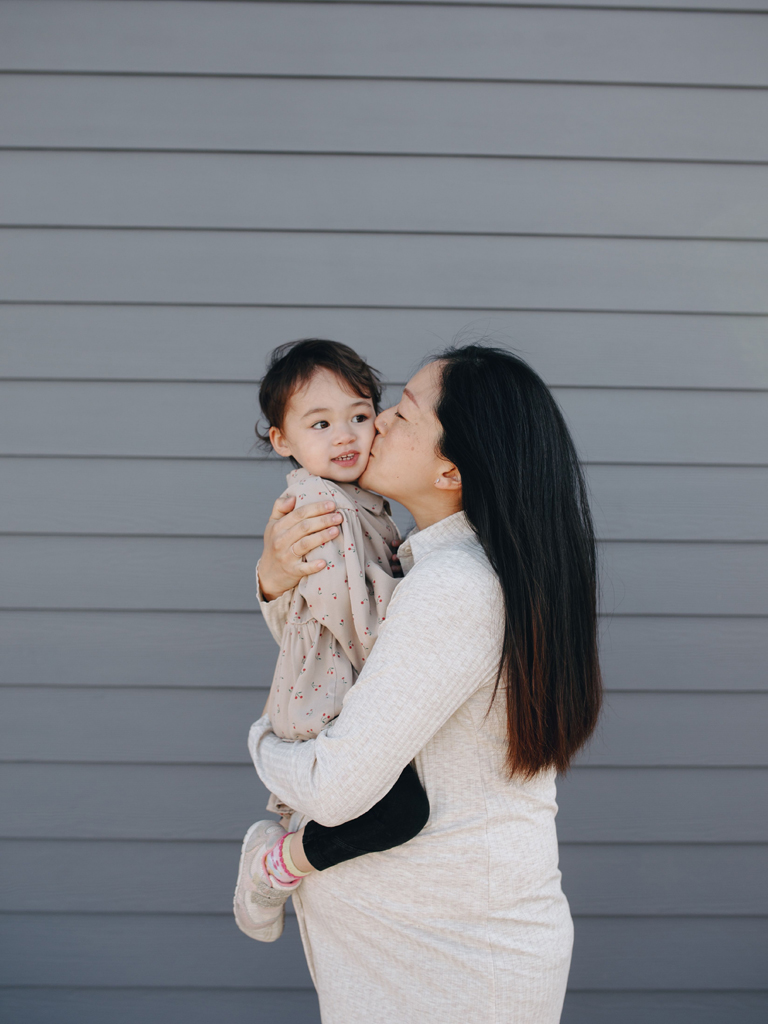
Parenthood changes you. It should. But it was never supposed to erase you. Finding your way back to yourself, even in small pieces, isn’t a distraction from being a good parent—it’s part of what makes it sustainable. It’s also what you’re modeling for your little one as they learn how to be in the world.
Next dinner party, I’d like to lead with my name.
Sana Jafri, Founder of babygami®, is a mom of three boys, traveler, and lifelong adventurer who believes that parenting shouldn’t mean putting your passions on pause. From early morning hikes to weekend camping trips, Sana has always sought ways to stay active and engaged with her children in the outdoors.
Her experiences navigating parenthood while chasing adventure inspired her to create practical solutions for families who want to live fully without compromise, including babygami®’s 3-in-1 collapsible baby bottle, sippy cup, and snack cup.