by Karen K.C. Gibson
Parents live in a scary world, fearing their child’s failures, worrying about their safety, dreading the loss of connection, and struggling to trust their child’s journey. I created a course, Breaking the Cycle of Anxious Parenting, that guides parents to engage in healthier communication, minimize conflicts, and reduce overwhelm. Nearly every parent I’ve worked with for over three decades asks me, “Will my child be able to navigate adulthood successfully?”
One of my best friends, a single mom on Kauai, recently admitted she struggled with helicopter parenting her son, who will be a sophomore at Creighton University. She started with the best intentions, thinking she was protecting him from failure. But when she smoothed out every bump in his life, she took away valuable experiences he needed to grow. Constantly tracking children, nagging them about deadlines, or even making sure their phone stays charged backfires. They lack confidence because they are trained to rely on their parents instead of themselves.
Here are seven long-term consequences of overparenting that can lead to chronic anxiety, lack of self-management skills, and severe self-doubt as children transition to adulthood.

Chronic Anxiety and High Stress
Several of my students attending Mililani Mauka and Ike Elementary Schools share their anxiety during tests and stress over report card grades. They genuinely believe their worth is defined by grades and suffer from insomnia and frequent stomachaches.
Lack of Resilience
A close friend of mine shared that her daughter, who recently graduated from a private school, asked her mom to write her college entrance essay because many of her friends’ mothers had written theirs. Doing a child’s work causes kids to feel their own work doesn’t meet their parents’ expectations and question their academic skills.
Poor Decision-Making Skills
A mother whose daughter attended Hawaii Baptist Academy realized her daughter questioned her decision-making skills even after graduating from college with honors. She believes her overparenting caused her daughter’s learned helplessness. Relying on her mom’s approval deprived her of strengthening her problem-solving skills.
Crippling Dependency
I’ve witnessed parents contact their child’s teachers asking if their child could receive extra credit to improve their grades. A mom whose son was a sophomore at Honolulu Community College emailed the professor asking if he had any incomplete assignments. The message children receive is that their parents lack confidence in their abilities, resulting in continued co-dependency.
A Sense of Entitlement
Several of my students expect their parents to solve their problems, correct their mistakes, and shield them from adversity. Children feel the world revolves around them, stunting their development of empathy and teamwork.
Unhealthy Coping Skills
When parents micromanage their children, preventing them from learning natural consequences, their children lack emotional regulation skills, causing them to fall apart when life doesn’t go their way.
Delayed Independence
A few of my friends at the Leeward YMCA and the Mililani YMCA share that their adult children and grandchildren lack basic life skills. They believe that when we prevent our children from struggling, they continue to depend on their parents and grandparents to guide them in making simple decisions or solving daily challenges.


Here are five practical strategies to break the cycle of overparenting.
Never Do for a Child What They Can Do for Themselves
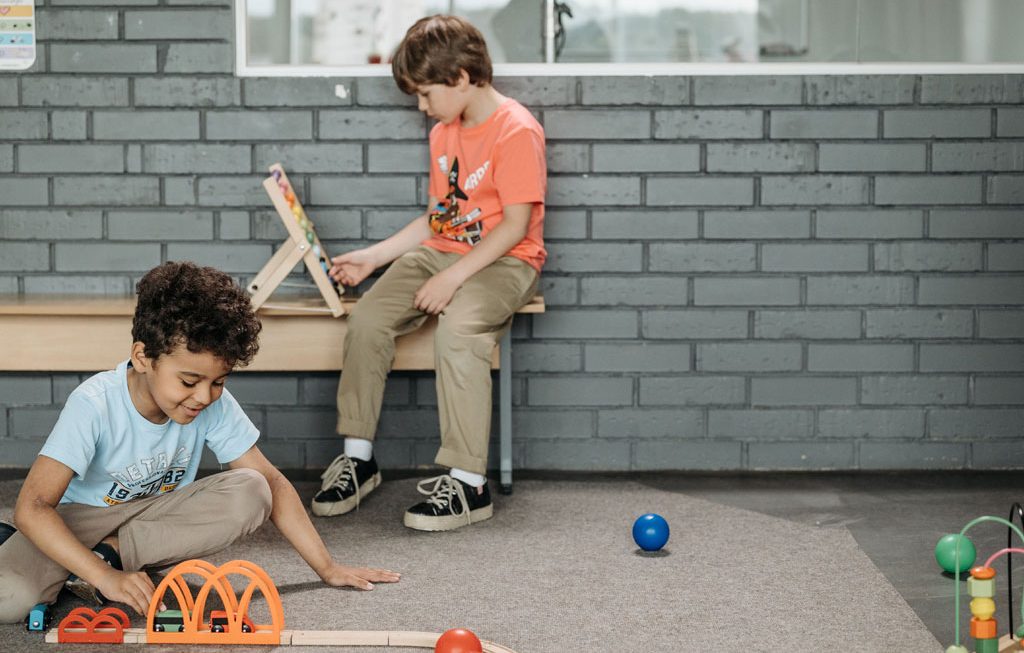
Kids as young as elementary school are capable of handling things like cleaning their rooms, organizing their backpacks, or even doing basic chores around the house. I witnessed this while tutoring two brothers who attend Waikele Elementary School. They would help each other move wet clothes from the washer to the dryer, wash their own dishes, and make sure the trash from every room was taken to the main garbage bin.
Ask “What” Questions Instead of Telling Children What to Do
Instead of nagging his second grader, a dad asked his daughter “what” questions to get her to problem-solve. When he found her shoes in the middle of the hallway, he asked, “What’s the plan for these shoes?” instead of demanding that she “move her shoes before someone trips over them.” It forced her to look at the situation and take some ownership of the chore.
Let Them Experience “Safe Failures”
Instead of rushing to school to drop off items like homework, lunch, or water bottles, give children an opportunity to figure out how to plan ahead. One of my sixth-grade students at Mililani Middle School learned to put a note on her backpack to remind her of what to bring since her mom refused to drop off any missed items.
Sit with Discomfort and Learn to Trust
By sitting with discomfort, parents will learn to own their anxiety instead of passing it on to their child. By trusting their child to problem-solve, parents send the powerful, silent message: “I believe you are capable of handling this.” This builds their confidence more than any words of encouragement.
Stop Rescuing
The hardest lesson I had to learn as a parent was to stop being my daughter’s personal alarm clock, her scheduler, and her homework supervisor. I forced myself to stop worrying that she would be late or miss a big deadline. Our job as parents is not to prevent mistakes, but to let our children face their own consequences and solve their own problems. It is the only real way they learn to be independent and build resilience.
Stopping the micromanaging cycle is critical for a child’s mental health. Letting go and allowing them to make mistakes is the only way to prepare them for the real world and build their confidence to handle life independently.